Best Sandals for Toddlers That Actually Stay On
The best sandals for toddlers get judged on the wrong thing. Parents shop for how sturdy they look, when the real test is whether a toddler can run, climb, and kick a ball in them without the strap giving up by June.
This guide to the best sandals for toddlers skips the fifty-tab spiral and narrows it to three verified options worth trusting.
This guide is compiled from independent research, not hands-on testing. We are not currently part of any affiliate program, and this post contains no affiliate links.
The short answer
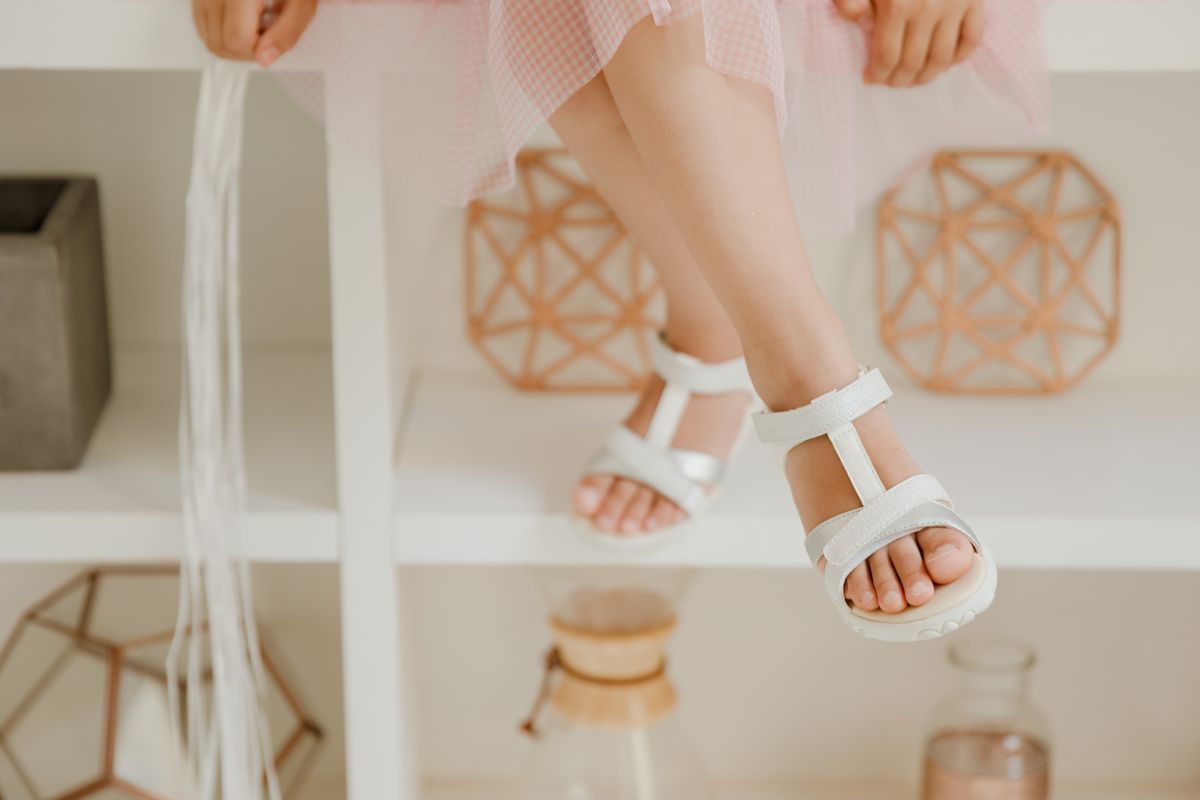
The best sandals for toddlers have a secure back strap, not just a front toe strap, since an open-back sandal is the most common way a sandal comes off mid-run. Rigid, supportive soles matter more at this age than cushioning, because a toddler’s foot is still developing and needs a stable base more than shock absorption. The picks below were checked for strap security and sole flexibility, not just how they look in photos.
How We Chose These Picks
Each pick was compared on brand reputation, podiatric certification where available, and patterns across customer reviews. Brands with a long track record were favored over newer entrants with thin review histories.
None of these sandals were purchased and tested hands-on by this site. Where a claim comes from review patterns or third-party certification rather than direct testing, it’s noted as such.
What Toddler Feet Actually Need
A toddler’s foot is still mostly cartilage, not fully formed bone — the opposite of what most “supportive” shoe marketing implies. Rigid arch support and stiff soles don’t help a foot that’s still developing. They can restrict the natural muscle strengthening that comes from a foot flexing freely.
This is exactly what the American Podiatric Medical Association evaluates when awarding its Seal of Acceptance: sole flexibility is one of the main criteria, since a foot’s own muscles need to do the work of building an arch, not the shoe. What matters most is a flexible sole that bends where a foot bends, a wide toe box that doesn’t crowd the toes, and a secure strap that keeps the sandal on without needing to be cinched tight enough to restrict movement.
Quick Picks
Best Overall — Salt Water Sandals. Genuine leather, hand-stitched construction, and a design that’s stayed essentially unchanged across generations because it holds up.
Best for Water & Active Play — KEEN Seacamp II. APMA-approved with real traction for climbing, wading, and everything else a toddler does that isn’t standing still.
Best for Foot Health & Value — Stride Rite. Carries the APMA Seal of Acceptance at a lower price point than most podiatrist-endorsed competitors.
Salt Water Sandals
This brand earns “best overall” through sheer consistency. The design hasn’t meaningfully changed in generations, which in footwear is usually a sign something was solved correctly the first time, not a lack of innovation. Genuine leather and hand-stitched construction show up repeatedly in reviews as the reason these outlast cheaper synthetic sandals by full seasons, not weeks.
They’re a classic, everyday pick rather than a technical performance shoe — better suited to daily wear than aggressive water play or trail hiking.
Reasons to Buy
- Genuine leather and hand-stitched construction built to last full seasons
- Long, consistent generational track record, not a passing trend
Worth Knowing
- Leather needs to dry out between water exposures; not built for constant wet use
- Everyday design, not a technical hiking or water shoe
KEEN Seacamp II
Carrying the American Podiatric Medical Association Seal of Acceptance means an outside body has reviewed the design for healthy foot development, not just marketing copy claiming it. The closed-toe bumper and grippy sole are built for a toddler running on wet rock or playground surfaces, where traction failure is the bigger injury risk, not the water itself.
It runs bulkier than the other two picks here — the price paid for that protection. A toddler who mostly needs sandals for the backyard doesn’t need this much shoe.
Reasons to Buy
- APMA Seal of Acceptance for healthy foot development
- Closed-toe bumper and grippy sole built for active, wet conditions
Worth Knowing
- Bulkier fit than everyday sandals, more shoe than most casual days need
- Priced higher than budget-friendly options on this list
Stride Rite
Also APMA-certified, Stride Rite lands as the value pick mainly because that endorsement usually comes at a premium the brand doesn’t charge here. Reviews consistently price it below See Kai Run, a comparable podiatrist-endorsed competitor, for similar durability.
The fastening system uses an elastic lace plus single strap rather than velcro. That means shimmying a toddler’s foot in each time instead of a quick strap-and-go — a small daily friction worth knowing before buying if quick exits out the door matter.
Reasons to Buy
- APMA-certified at a lower price than comparable endorsed brands
- Durable materials: rubber, leather, and breathable mesh
Worth Knowing
- Elastic lace and strap closure takes longer to put on than velcro
- Sizing runs narrow according to recurring review feedback
Side-by-Side Comparison
| Sandal | Age | Best For | Durability | Price |
|---|---|---|---|---|
| Salt Water Sandals | 1 year+ | Best Overall | High – genuine leather, needs drying time | Varies |
| KEEN Seacamp II | 1 year+ | Best for Water & Active Play | Highest – closed-toe, built for wet/rough use | Varies |
| Stride Rite | 1 year+ | Best for Foot Health & Value | High – rubber, leather, and mesh | ~ |
What to Look For
A sole that bends, not one that resists bending. Press a thumb into the front third of the sandal in-store or in photos; it should flex easily.
A wide toe box. Toddler feet are proportionally wider than adult feet, and a narrow toe box is one of the most common recurring complaints across sandal reviews at this age.
A secure closure that doesn’t require over-tightening. If a strap needs to be cinched uncomfortably tight to stay on, that’s a fit problem, not a feature.
For sleepwear next, see our picks for the best bamboo pajamas for toddlers and our bamboo vs cotton pajamas breakdown if you’re still deciding on fabric.
Frequently Asked Questions
Do toddlers need arch support in sandals?
Generally no. A toddler’s arch is still developing, and that development relies on the foot flexing and working naturally rather than being held rigid. Flexibility matters more than built-in arch support at this age.
How do I know if toddler sandals fit correctly?
There should be roughly a thumb’s width of space at the longest toe, and the widest part of the foot shouldn’t feel pinched at the sides. A toddler pulling at their sandals repeatedly is usually a fit complaint, not a behavior issue.
Are closed-toe sandals safer than open-toe for toddlers?
For active play on rough or wet surfaces, a closed-toe bumper meaningfully reduces stubbed-toe injuries (one notable exception: sandals come off entirely for the trampoline, bare feet grip the mat better than any shoe). For everyday walking on flat ground, open-toe designs are fine and often easier to get on and off.
About the Author: Emma Carter
Emma Carter writes and edits every guide on 3 Things for Mom. She researches each recommendation through manufacturer specs, safety certifications, and patterns across real customer reviews before it makes the list. More on how picks are made →
(Illustrated avatar, not a photograph.)