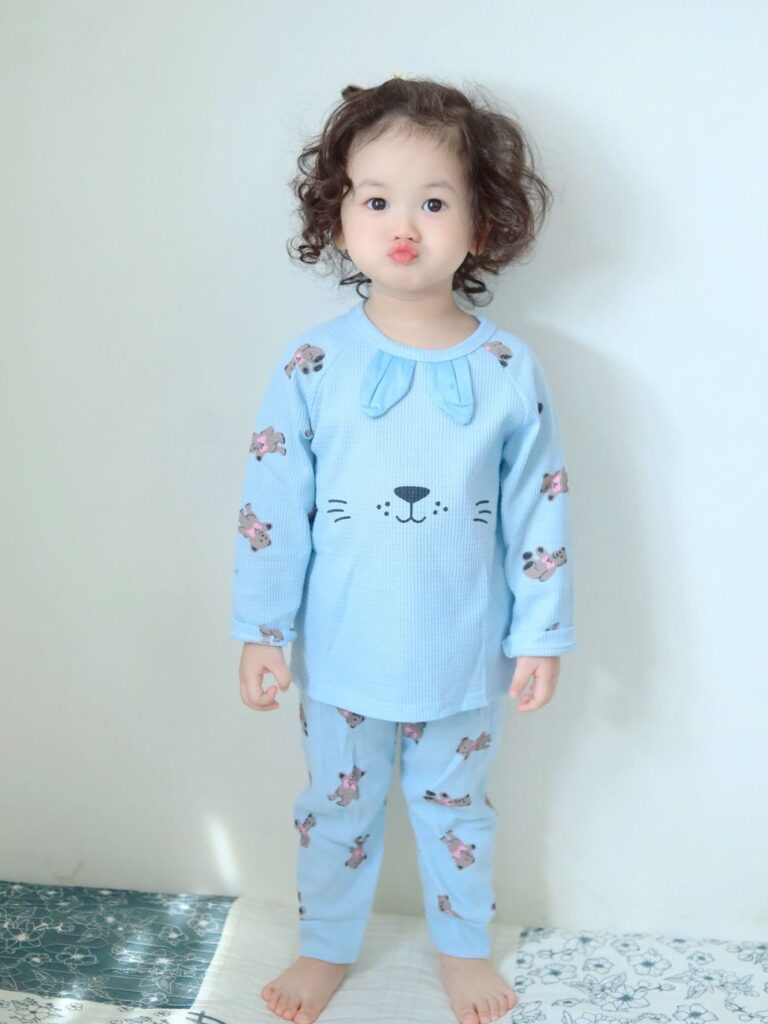
Bamboo vs Cotton Pajamas: Which Is Better for Kids?
Bamboo vs cotton pajamas, if I’m honest, isn’t really a fabric debate so much as a sleep one. At least that’s what I decided after my youngest kept waking up around midnight in a cotton onesie that felt like a damp dishrag, so we switched half her drawer to bamboo mostly out of desperation. It worked, for what it’s worth.
Kid runs warm at night? Bamboo usually wins. Cotton’s cheaper, easier to launder, and can go through a hot dryer without complaining, so if price and laundry matter more to you than a slightly cooler pajama, that’s the simpler call. You don’t have to pick just one forever, either.
The short answer
Bamboo pajamas sleep cooler and feel softer against sensitive skin, while cotton pajamas cost less and hold up better to hot washes and dryers. For a toddler who sleeps hot, wakes up sweaty, or has eczema, bamboo viscose is worth the extra cost; for a toddler who runs cool or goes through pajamas fast, cotton does the job without the premium price tag. Neither fabric is objectively better — the right pick depends on how your specific kid sleeps, not which one markets itself as more natural.
Bamboo vs Cotton Pajamas: The Basics
A good wind-down routine matters just as much as the fabric — if bedtime itself is the harder part, our indoor toddler activities guide has calm, low-energy options that work well right before pajamas go on.
Okay, real talk: almost nobody’s “bamboo” pajamas are actually bamboo. What’s on the hanger is bamboo viscose, sometimes just called “rayon from bamboo” on the tag if the brand’s being upfront about it, and getting there means dissolving bamboo pulp down into something soft enough to spin into thread. Cotton skips all of that. Grow it, spin it, done. That extra step is why bamboo ends up feeling almost slippery in a good way and hangs looser on a kid’s body than cotton does. Cotton keeps that slightly crisp, structured feel most of us grew up sleeping in. It’s also why the Federal Trade Commission actually requires most “bamboo” pajamas to be labeled as rayon or viscose made from bamboo instead of just slapping “bamboo” on the label, a rule that’s been on the books since 2010 and that most parents scrolling a registry at midnight have no idea exists.Is Bamboo or Cotton More Breathable for Baby Pajamas?
Bamboo viscose just breathes better. Its fiber structure has more of the tiny gaps that let air move through and heat escape, and that matters way more for a baby than it would for you or me, since babies can’t regulate their own body temperature yet and overheat faster once they’re asleep. Cotton’s not a bad breather, to be fair, especially a lighter, loosely woven cut. It just holds onto more heat over a full night. You’ll notice the second you touch the back of a kid’s neck at 3am.Does Bamboo Wick Moisture Better Than Cotton?
On moisture bamboo pulls ahead, no real contest there, it wicks sweat away from skin and lets it evaporate instead of just sitting there like cotton tends to, damp, until wash day. If you’ve got a toddler who sweats through pajamas most nights, that’s genuinely the difference between staying dry and a 2am outfit change, and yeah, I’d know.Which Is Safer for Baby Sleepwear: Bamboo or Cotton?
Here’s the part that tripped me up the first time I actually read past the label instead of skimming it: fabric barely matters for safety. Fit does. Federal rules under 16 CFR Parts 1615 and 1616, enforced by the Consumer Product Safety Commission, require kids’ sleepwear to be either flame-resistant or cut snug against the body. It doesn’t care whether the pajamas are bamboo, cotton, or anything else. We go into more detail on what “snug fit” actually looks like on a tag, and which picks meet it, over in our full guide to bamboo pajamas for toddlers.Softness and Sensitive Skin
Bamboo’s fiber is rounder and smoother than cotton’s, which is a big part of why it ends up feeling gentler on skin that’s sensitive or eczema-prone and causes less friction overnight than cotton usually does. Cotton’s fine, to be clear, a high thread count cotton feels plenty soft, it just stiffens up faster after wash forty or so.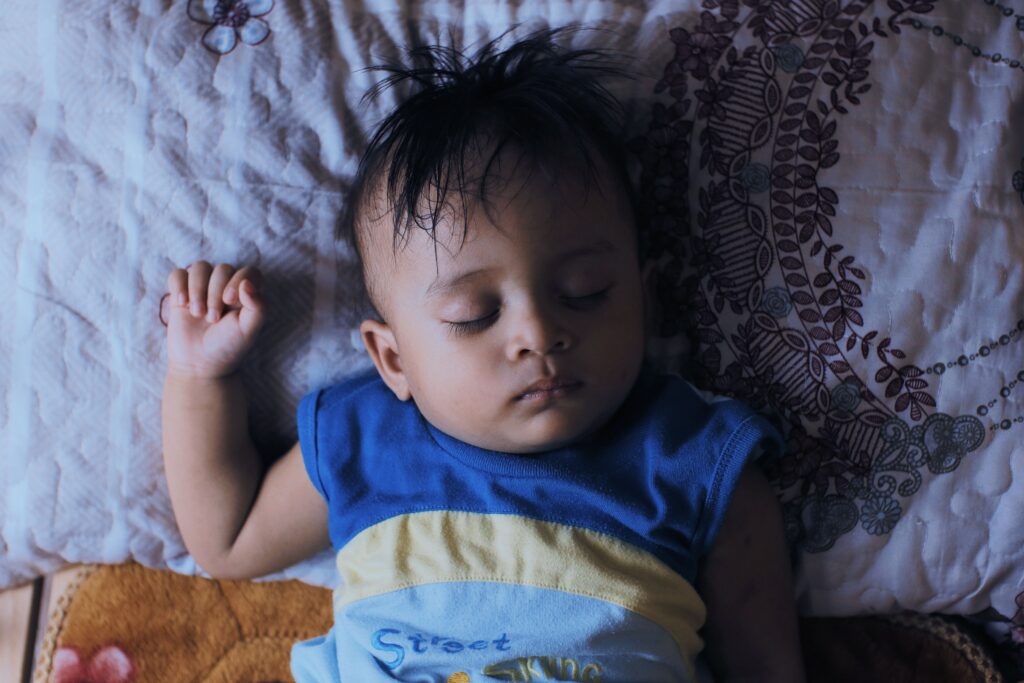
Bamboo vs Cotton Pajamas: Durability and Care
Cotton wins on durability. Not close. It shrugs off frequent, high-heat washing and somehow keeps its shape through more cycles than you’d expect, which counts for a lot with pajamas that basically live in the laundry pile. Bamboo viscose is pickier, it wants a gentler wash and hates a hot dryer, though it does hold its shape at the knees and elbows longer than cotton usually manages.Bamboo vs Cotton Pajamas: Cost Comparison
Price is probably the most clear-cut difference between the two, honestly, cotton is cheaper across the board, from bargain multi-packs to name-brand sets, while bamboo costs more everywhere you look, which makes sense once you realize turning it into viscose is a lot more involved and expensive than just spinning cotton fiber.| Factor | Bamboo | Cotton |
|---|---|---|
| Breathability | Better | Good |
| Moisture-wicking | Better | Absorbs, dries slower |
| Softness | Smoother, silkier | Soft, can stiffen over time |
| Durability | Resists stretching | Handles hot washes better |
| Care | Gentle wash, no hot dryer | Easy care, machine washable |
| Price | Higher | Lower |

Which Pajamas Should You Actually Buy?
If you’ve landed on a fabric after all that, here’s where we’d actually point you. Going bamboo? Start with Little Sleepies. It’s a snug two-piece cut in custom-milled bamboo viscose, and it’s held up across sizes and wash cycles in a way a lot of newer brands haven’t proven yet. We compare it against two other bamboo options, including a budget pick, in our full bamboo pajamas for toddlers guide. Staying with cotton? Burt’s Bees Baby is the one we’d point you to. Their snug-fit sets are 100% GOTS-certified organic cotton and budget-friendly, two-piece sets run roughly $15 to $27, and honestly the diaper-friendly zip alone makes middle-of-the-night changes a lot less of an ordeal.Frequently Asked Questions
Bamboo vs cotton pajamas: which is better for a baby who sleeps hot? Bamboo, hands down, it releases heat and wicks moisture faster than cotton, so there’s a lot less of that damp, overheated wakeup at 2am. Probably the one upgrade on this list that actually earns its price tag. What is bamboo viscose, and is it really made from bamboo? Sort of, it starts out as real bamboo, but by the time it’s actual fabric it’s been through a chemical process that turns the pulp into fiber, so the raw material is bamboo even if it isn’t woven straight from bamboo stalks the way the tag kind of implies. Do bamboo pajamas shrink more than cotton? A little, yeah, especially if it ends up in a hot wash or dryer out of habit, bamboo viscose just shrinks more easily than cotton once the care label gets ignored, and let’s be honest, that happens to all of us eventually. Are bamboo pajamas worth the extra cost for babies? Probably, if your baby’s got sensitive skin, eczema, or runs hot at night, though if none of that’s true for your kid honestly cotton does the job fine for a lot less money. See our top bamboo pajama picks, or check our sandals guide if footwear is next on your list if you decide bamboo is the right fit for your family. Which fabric is more eco-friendly, bamboo or cotton? Bamboo the plant needs less water and no pesticides to grow, so it’s ahead of conventionally farmed cotton on paper. The viscose processing step adds an environmental cost cotton skips, though, so it’s not a totally clean win either way.This post may contain affiliate links. If you click through and make a purchase, we may earn a small commission at no extra cost to you. We only mention products and materials we believe are genuinely useful for parents — commission never affects what we recommend.
About the Author: Emma Carter
Emma Carter writes and edits every guide on 3 Things for Mom. She researches each recommendation through manufacturer specs, safety certifications, and patterns across real customer reviews before it makes the list. More on how picks are made →
(Illustrated avatar, not a photograph.)