DIY Kids Playground: 6 Toddler-Safe Elements You Can Actually Build
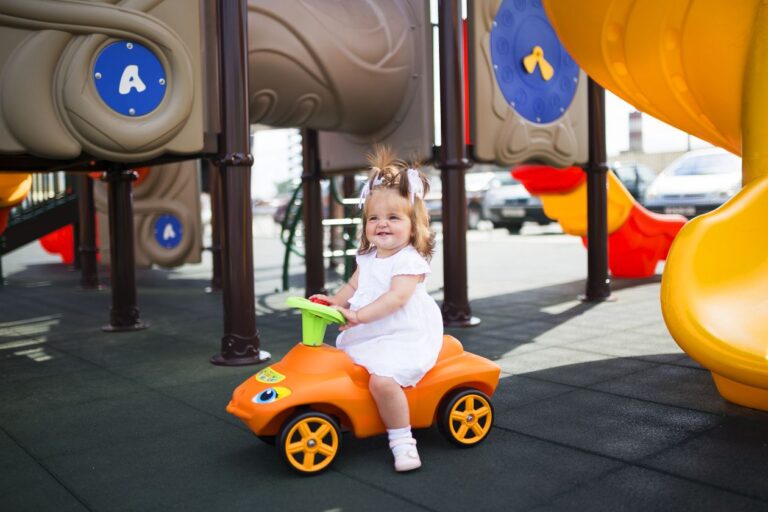
DIY kids playground builds sound like a bigger project than they usually are. You don’t need $1,500 or two weeks off work — most of the backyard setups below cost under $100 and go up in an afternoon, sometimes less. Here are six real elements we’d actually put in a yard with a toddler in it, plus a note on which ones to hold off on until your kid’s older.
The short answer
A DIY kids playground doesn’t need a $1,500 budget or a construction weekend — a sandbox, a balance beam made from a landscape timber, and a simple climbing structure cover most of what a toddler actually uses a playground for. The safest DIY playground elements stay at or near ground level and use rounded edges and outdoor-rated materials like pressure-treated or cedar wood, since most backyard injuries come from height and splinters rather than the activity itself. The 6 ideas below are ranked by cost and build time, not just how impressive they look in a photo.
How We Chose These Elements
We leaned on established playground-design resources, Playground Ideas’ community-build library and The Spruce’s outdoor building guides among them, and checked each build against toddler-specific safety points: soft-fall surfacing, low platform heights, no pinch points. That’s a different bar than just shrinking a design meant for a seven-year-old. Worth saying plainly: this is a research-based roundup, not a hands-on build test. We didn’t construct every one of these ourselves, so treat the time and skill notes as a realistic starting point, not a promise for your particular yard.
Quick Picks: DIY Kids Playground Elements
Best First Build: Sandbox with a Lid. Lowest skill, lowest cost, and toddlers use it more than almost anything else on this list.
Best for Small Yards: Balance Beam Path, since it takes up almost no space and works from about age two through six.
Best Weekend Project: Mini A-Frame Playhouse — more involved than the rest, but the one kids come back to for years.
Sandbox With a Lid
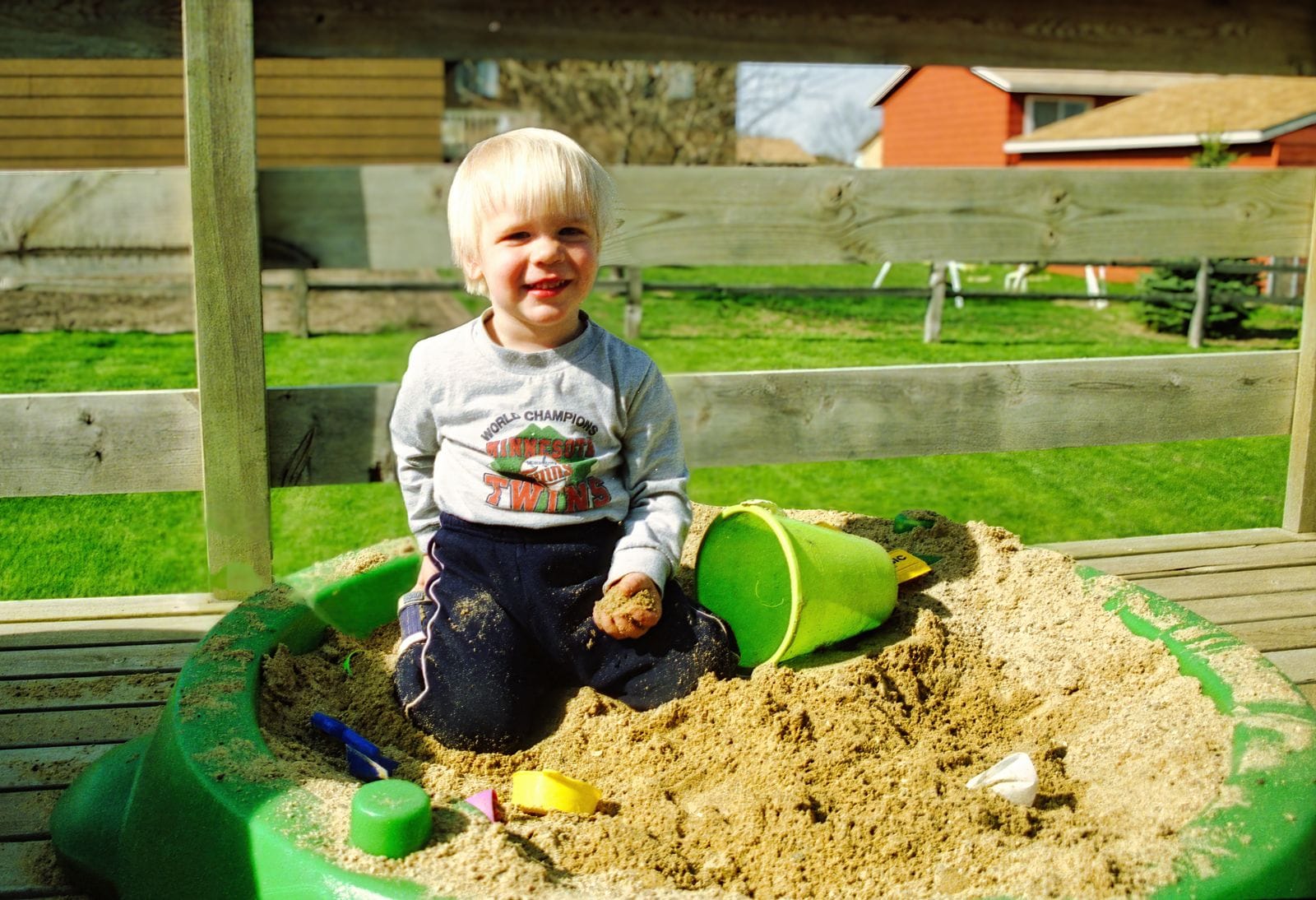
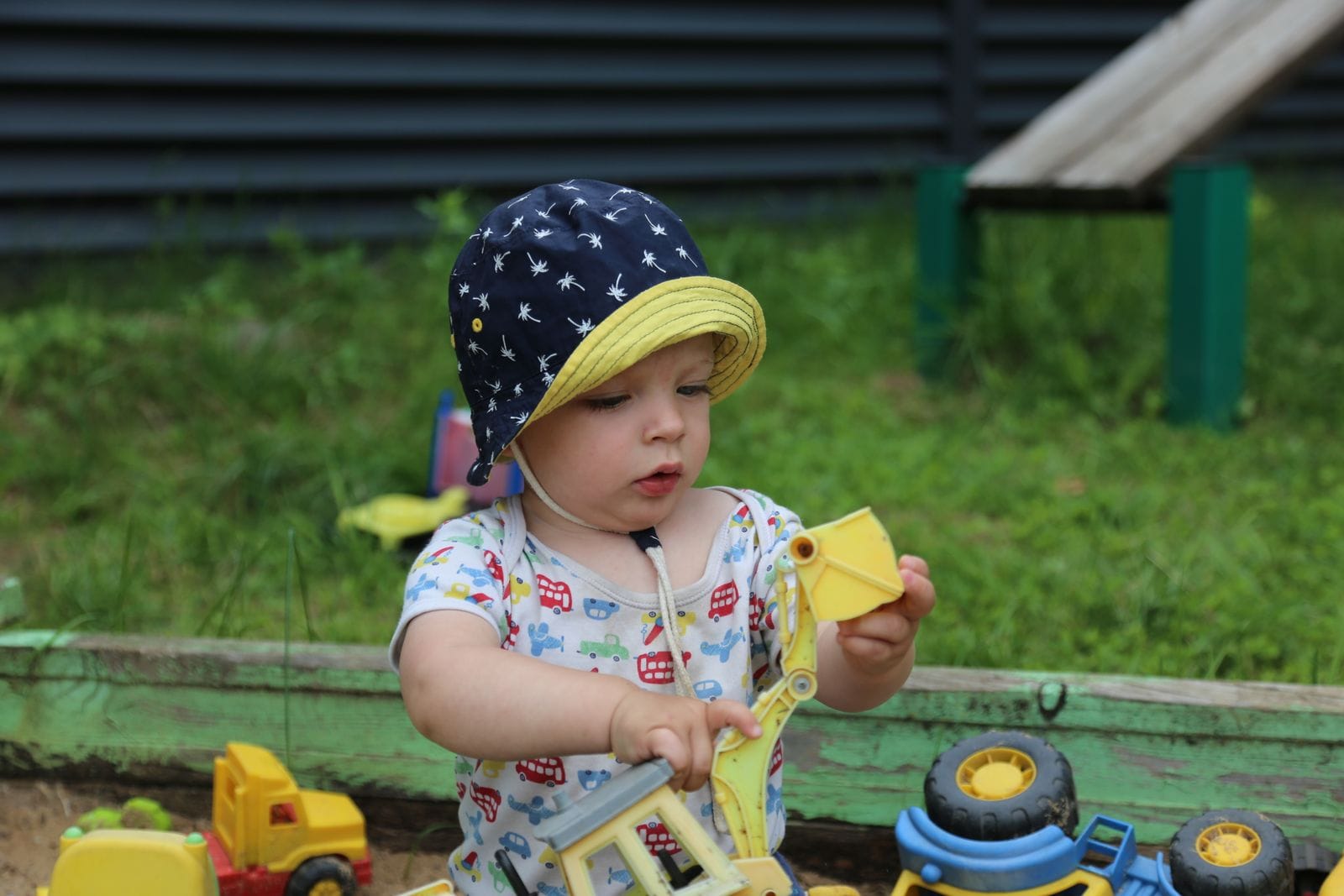
Ask any parent which backyard project got used the most, and a lot of them will say the sandbox. It’s the DIY kids playground element toddlers actually reach for over and over, ahead of a swing or a slide. Four boards, a tarp liner, and a few bags of playground sand get you most of the way there. Add a lid, even a flat sheet of plywood works, and you’ve solved the two real problems: neighborhood cats and rain turning the thing into a swamp.
Why Toddlers Love It
- Open-ended play that holds attention longer than most toys
- Easy to add scoops, trucks, or a water source without buying anything new
Worth Knowing
- Sand needs a lid or cover — an uncovered box becomes a litter box fast
- Play sand should be checked yearly for mold if your yard doesn’t drain well
Balance Beam Path
Keep this one low. Six inches off the ground is plenty for a toddler to work on coordination without the fall risk that comes with anything taller. Two 2x4s laid flat, or a single beam bolted to short posts, is really the whole build. It’s one of the cheapest items on this list, often under $30 in lumber, and it pairs well with a balance bike once your toddler gets steady on their feet.
Why Toddlers Love It
- Works for a huge age range — toddlers wobble-walk it, older kids run it
- No power tools required if you skip bolting it to posts
Worth Knowing
- Sand a rough board edge before letting a barefoot toddler on it
- Skip elevated versions until your toddler is steady walking on flat ground first
Tire Swing (Rope, Not Chain)
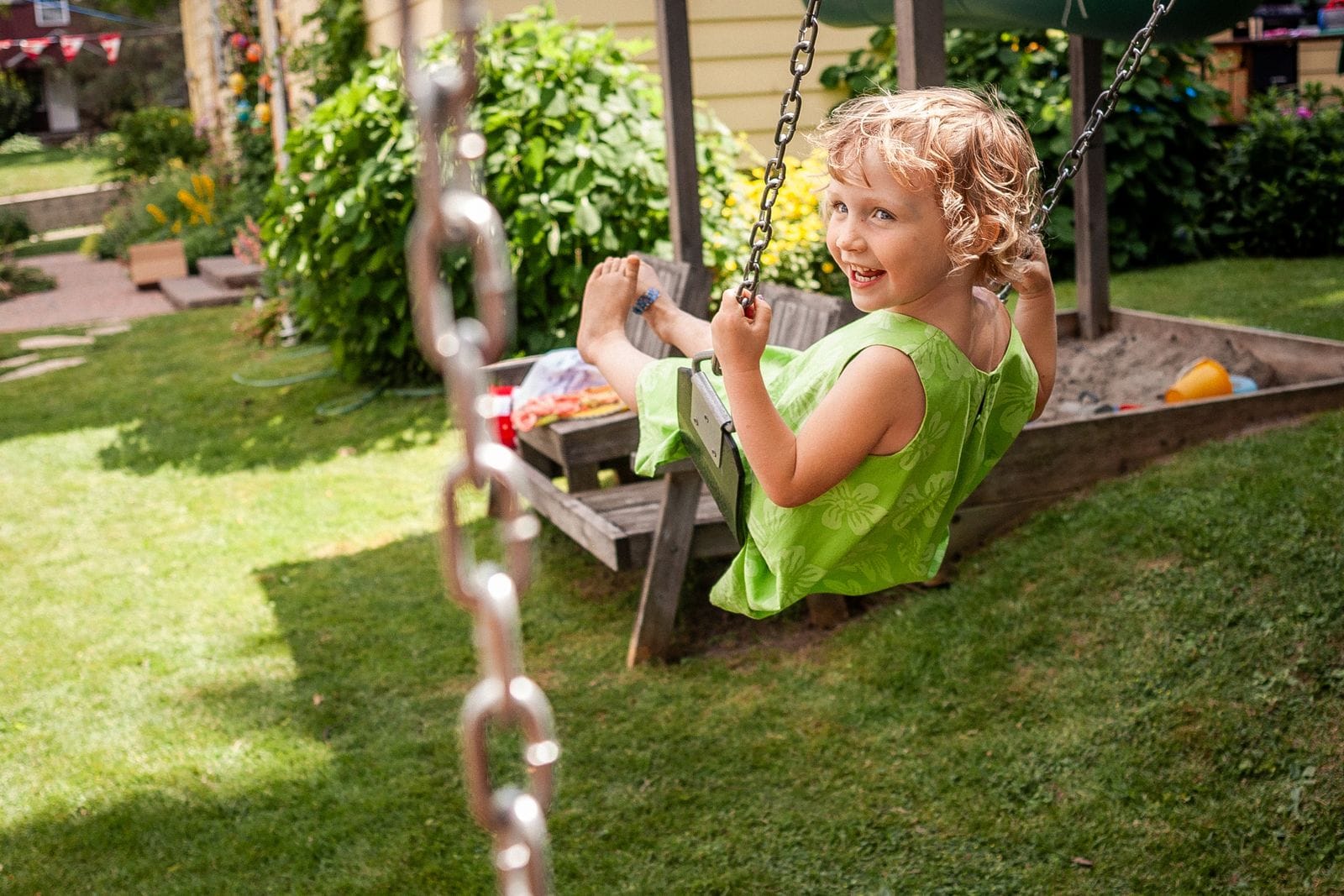
Find a used tire, a length of rope rated for outdoor load, and a sturdy branch or A-frame, and you’ve got a swing that costs less than a store-bought seat and lasts about as long. One detail matters more than the rest here: use rope, not chain. Chain pinches small fingers. Rope just doesn’t.
Why Toddlers Love It
- The rocking, off-center motion is a favorite over a straight-line swing
- A used tire from a shop is often free or a few dollars
Worth Knowing
- Drill drainage holes in the low point so it doesn’t collect rainwater
- Needs 6+ feet of fall clearance and soft ground or mulch underneath
Mud Kitchen
Drag an old outdoor shelf or pallet over, add a few mismatched pots and pans and a bin of dirt, and you’ve got a mud kitchen. It’s one of the most-searched DIY kids playground add-ons right now, probably because it’s nearly free if you’ve already got kitchen castoffs sitting in a donation box somewhere.
Why Toddlers Love It
- Imaginative, mess-driven play that doesn’t need adult direction
- Costs almost nothing if built from thrifted kitchen items
Worth Knowing
- Clothes will get genuinely ruined — treat it as a smock-and-hose activity
- Keep it away from any area you don’t want tracked mud from
Crawl Tunnel
A large plastic drainage pipe, the kind sold at hardware stores for landscaping, buried partway or just staked in place, makes a crawl tunnel that gets used daily, not occasionally. It’s one of the few DIY kids playground elements actually built around the crawling-to-early-walking age, instead of a big-kid design made smaller. Pair it with a couple of our outdoor activities for toddlers and you’ve got enough to fill a whole afternoon.
Why Toddlers Love It
- Peekaboo-style play toddlers return to on their own
- Zero moving parts, nothing that can pinch or tip
Worth Knowing
- Stake it so it can’t roll while a toddler is inside
- Check for sharp cut edges on the pipe ends before installing
Mini A-Frame Playhouse
This is the one that actually takes a weekend. An A-frame skeleton, some plans skip walls entirely, covered in fabric or thin plywood. It’s the closest thing on this list to a real construction project, and honestly, the one that keeps earning its space in the yard well past the toddler years.
Why Toddlers Love It
- A space that’s theirs — toddlers gravitate to small enclosed spots
- Grows with them; a 2-year-old and a 6-year-old both use it differently
Worth Knowing
- Realistically a 1-2 weekend project, not a single afternoon
- Anchor it — an unweighted A-frame can tip in wind
Side-by-Side Comparison
| Element | Best For | Build Time | Verdict |
|---|---|---|---|
| Sandbox With a Lid | Ages 1-6, open-ended play | 1-2 hours | Best First Build |
| Balance Beam Path | Small yards | 1 hour | Best for Small Yards |
| Tire Swing | Yards with a strong branch or frame | 2-3 hours | Best Low-Cost Swing |
| Mud Kitchen | Messy, imaginative play | 1 hour | Best Budget Add-On |
| Crawl Tunnel | Ages 1-3 | 30-60 min | Best for Youngest Toddlers |
| Mini A-Frame Playhouse | A structure that lasts years | 1-2 weekends | Best Weekend Project |
How Much Does a DIY Kids Playground Cost?
Realistically, a DIY kids playground built from these six elements runs somewhere between $30 and $300, depending on how much you build and whether the lumber’s new or scavenged. The sandbox and balance beam barely register on a budget. The A-frame playhouse is where costs climb, mostly in plywood or fabric. Either way, you’re nowhere near the $800 to $1,500 a commercial wooden play set usually runs.
Frequently Asked Questions
What age is right for a DIY playground? Most of the elements on this list work from about age 1 (sandbox, crawl tunnel) through early elementary. Save taller structures — anything with a platform over 2 feet — for once your child is a confident, steady walker, usually closer to age 4. If you’re not ready to build yet, our roundup of outdoor toys for a 1 year old covers the same age range.
Do I need landscaping fabric under a DIY kids playground? It helps for anything with sand or mulch, since it keeps grass and weeds from growing up through the play surface, but it’s not required for a first build — you can add it later.
What’s the cheapest way to start a DIY kids playground? A sandbox with a lid. It’s the lowest-cost, lowest-skill build on this list and gets the most actual play time of anything here.
Is a store-bought play set safer than a DIY one? Not automatically — safety comes from fall height, surfacing, and hardware, not from who built it. A well-built DIY structure with soft-fall mulch underneath can be just as safe as a commercial set.
Practical Takeaway: DIY Kids Playground
Starting from zero? Build the sandbox first. It’s cheap, fast, and gets more use than anything else here. If your child is under 3, add the balance beam or crawl tunnel next, then save the tire swing and A-frame playhouse for a weekend you’ve actually got free. Whichever DIY kids playground element you pick first, remember safety rides on fall height and ground surfacing more than on how well you built the thing, so keep that in mind before anything gets taller than your toddler.
About the Author: Emma Carter
Emma Carter writes and edits every guide on 3 Things for Mom. She researches each recommendation through manufacturer specs, safety certifications, and patterns across real customer reviews before it makes the list. More on how picks are made →
(Illustrated avatar, not a photograph.)