Best Art Supplies for Toddlers Who Still Mouth Everything
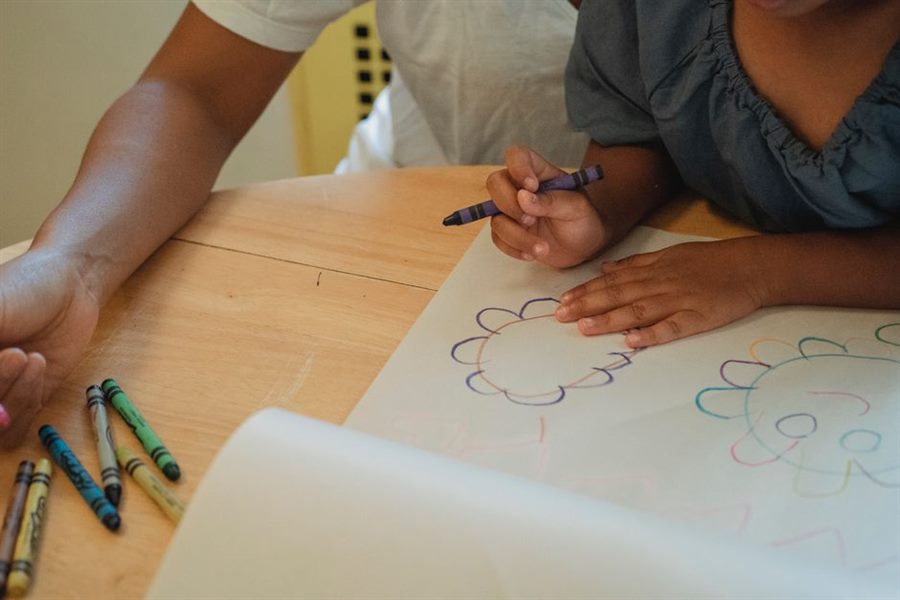
Most crayons are designed for a hand that doesn’t exist yet at toddler age — a pincer grip a child won’t have for another year or two. This guide to art supplies for toddlers sticks to three categories built around the hand and mouth a toddler actually has right now, not the standard art aisle assortment.
This guide is compiled from independent research, not hands-on testing. We are not currently part of any affiliate program, and this post contains no affiliate links.
The short answer
The best art supplies for toddlers who still mouth everything are non-toxic, chunky, and easy to grip — jumbo crayons, washable paint, and dot markers hold up to a toddler’s grip and occasional taste-test better than standard kid art supplies. US art supplies carry a required ASTM D-4236 safety label, but ingredient-specific brands matter more for toddlers who treat supplies as a snack as often as a craft. The picks below prioritize that safety bar alongside how easily each one washes out.
How We Chose These Picks
Each pick was compared on ingredient transparency, grip design suited to toddler hand development, and patterns across customer reviews. Brands that publish specific ingredient or safety-testing information were favored over ones that only claim “non-toxic” on the label.
None of these products were purchased and tested hands-on by this site. Where a claim comes from review patterns rather than direct testing, it’s noted as such.
Why Ingredients Matter More Here Than for Older Kids
A preschooler colors with a crayon. A toddler mouths it first and colors second — sometimes never getting to the second part, the same reason durable board books exist. That’s why picking the right art supplies for toddlers starts with ingredients, not colors or packaging. “Non-toxic” labeling matters more at this age than it does for a five-year-old’s marker set. Mouthing isn’t a misuse case here — it’s the expected use case.
Grip shape matters just as much. A toddler’s hand hasn’t developed the pincer grip a standard slim crayon assumes, which is why the products below lean toward chunky, palm-friendly shapes over the thin ones sold as the default.
One practical habit worth adopting early: offer only one or two colors at a time rather than a full set. Too many choices tends to distract a toddler more than it helps, and it makes cleanup faster besides.
Quick Picks
Best Overall — Crayola Palm-Grasp Crayons. Egg-shaped and sized for a whole-hand grip rather than a pincer grip, from the brand with the longest track record in the category.
Best for Safety-Conscious Parents — Stockmar Beeswax Crayons. Made from beeswax with pigments explicitly tested for pesticide residue, PCBs, and heavy metals, built for toddlers who still mouth what they’re holding.
Best Washable Paint — Eco-Kids Finger Paint. Colored with actual plant extracts, beet, purple sweet potato, spinach, instead of synthetic dye.
Crayola Palm-Grasp Crayons
Standard crayons ask for a grip a toddler’s hand hasn’t built yet, so most end up snapped in half or gripped in a fist that barely works. Crayola’s egg-shaped version solves the real problem instead of just making a crayon smaller: the rounded body fits a whole-hand grasp, which is the grip toddlers naturally use before fine motor control catches up.
Crayola’s decades in the category also mean the washable formula is a known quantity, backed by consistently positive reviews on the complaint that ends most crayon purchases: marks that don’t come out of clothes or walls.
Reasons to Buy
- Egg shape matches a toddler’s natural whole-hand grip
- Washable formula with a long, consistently well-reviewed track record
Worth Knowing
- Standard wax formula, not an ingredient-focused pick like Stockmar
- Only 12 colors in the toddler-specific line
Stockmar Beeswax Crayons
Beeswax instead of paraffin wax changes what happens when a toddler inevitably chews on one — that’s not a hypothetical here, it’s the entire premise of the product. Stockmar pigments are specifically tested for pesticide residue, PCBs, and heavy metals, a stronger, checkable claim than a bare “non-toxic” label.
For a toddler still in the mouthing phase, or a parent who’s already had the “is this safe to eat” moment with a regular crayon, this is the pick built around that exact concern.
Reasons to Buy
- Pigments tested for pesticide residue, PCBs, and heavy metals
- Chunky shape sized for small hands specifically
Worth Knowing
- Costs more than standard wax crayons
- Pricing varies by seller; check the current listing
Eco-Kids Finger Paint
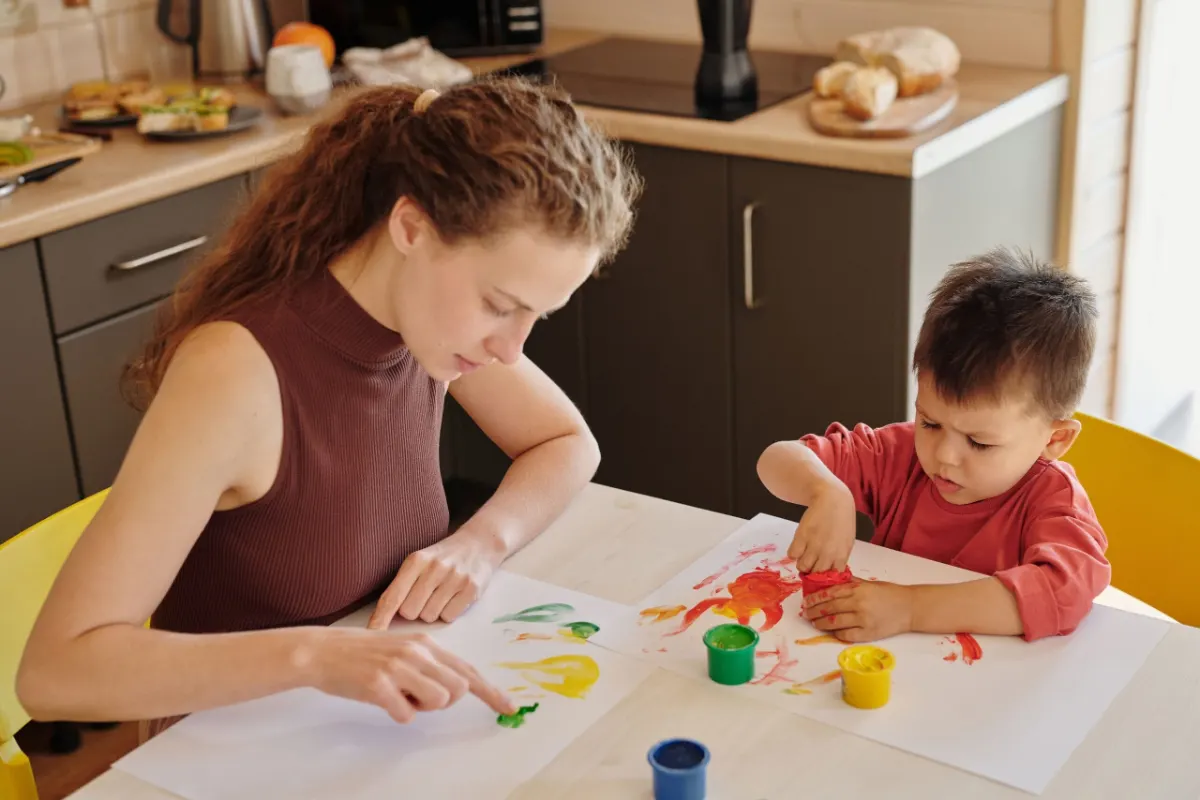
Finger painting is essentially a supervised mouthing activity with extra steps — hands go in the mouth constantly during play, so what’s in the paint carries more weight than the color result. Eco-Kids skips synthetic dye entirely: beet for red, purple sweet potato for purple, spinach for green. A toddler licking a finger mid-painting is getting food-grade plant pigment, not dye formulated for paper rather than skin.
Reviewers report it rinses out of clothes similarly to synthetic washable paints, so the ingredient swap doesn’t appear to cost much on the cleanup side.
Reasons to Buy
- Colored with plant and vegetable extracts, not synthetic dye
- Washes out of clothes comparably to standard washable paint
Worth Knowing
- Plant-based colors run slightly more muted than synthetic dye
- Pricing varies by seller; check the current listing
Side-by-Side Comparison
| Product | Age | Material | Best For | Price |
|---|---|---|---|---|
| Crayola Palm-Grasp Crayons | 12 months+ | Standard washable wax | Best Overall | Varies |
| Stockmar Beeswax Crayons | 12 months+ | Beeswax, food-grade pigment | Best for Safety-Conscious Parents | Varies |
| Eco-Kids Finger Paint | 18 months+ | Plant and vegetable extract | Best Washable Paint | Varies |
What to Look For
A grip shape suited to the hand a toddler has right now, not the one they’ll have in two years. Chunky and rounded beats thin and standard at this age.
Specific ingredient information, not just a “non-toxic” label. Brands that name specific pigments or wax sources are making a claim that can be checked; a bare label isn’t.
Washability tested against fabric, not just paper. A paint that rinses off skin easily but sets into clothes is still a laundry problem waiting to happen.
Looking for more ways to fill the day without another trip to the store? Our indoor toddler activities chart and sensory activity ideas both pair well with these art supplies.
Frequently Asked Questions
What age can toddlers start using crayons?
Most toddlers can hold and scribble with a chunky, palm-friendly crayon by 12 to 18 months, well before they’re ready for thin standard crayons that require a pincer grip. This is exactly why the right art supplies for toddlers look so different from what’s sold for older kids.
Is it safe if a toddler eats a small amount of crayon or paint?
US art supplies are required by federal law (the Labeling of Hazardous Art Materials Act) to carry an ASTM D-4236 conformance statement, which means the product has been evaluated for chronic health hazards. That label doesn’t guarantee a pleasant experience if a toddler eats a crayon, but it does mean the ingredients have been reviewed for safety under normal use — which is exactly why ingredient-specific brands like Stockmar and Eco-Kids exist, for the toddlers who treat art supplies as a snack more often than a craft.
How do I keep toddler paint from ruining clothes?
Washable doesn’t mean stain-proof once paint dries in fabric. Rinsing clothes in cold water immediately, before it sets, matters more than which washable brand was used.
For a classroom-friendly way to use these same low-mess supplies, our daycare Halloween activities for toddlers guide has craft ideas built around keeping cleanup simple.
About the Author: Emma Carter
Emma Carter writes and edits every guide on 3 Things for Mom. She researches each recommendation through manufacturer specs, safety certifications, and patterns across real customer reviews before it makes the list. More on how picks are made →
(Illustrated avatar, not a photograph.)