15 Sensory Activities for Toddlers by Mess Level
These sensory activities for toddlers are built on one idea: forget “craft,” think “controlled mess with a job to do.” That’s what a good sensory activity really is for a toddler. It gives little hands, eyes, ears, and a nose something real to explore, and it teaches things most parents never think to look for: pouring without spilling, naming a texture, waiting a turn with the scoop. Fifteen real activities are below, sorted by mess level and age. There’s also one thing pediatric safety guidance says to skip completely. Jump to why sensory play matters →
The short answer
The best sensory activities for toddlers use materials already in the house — dry pasta, water, rice, or texture baskets — and need only a few minutes of setup for a real developmental payoff. Sensory play builds fine motor strength, language, and self-regulation, but it doesn’t need to be elaborate or Pinterest-worthy to work; a bin of dry rice and a cup does the same job as a themed sensory table. One material is worth skipping entirely: water beads, which the CPSC has linked to serious injury if swallowed. The 15 activities below are organized by mess level so you can match one to how much cleanup you’re up for today.
Why Sensory Play Matters for Toddlers
Short version: sensory play hits several developmental skills at once. No screen. No worksheet. No adult running the show. Scoop rice into a cup, and a toddler builds the same hand muscles they’ll need later for a pencil. Say what oobleck feels like out loud, and vocabulary grows a little. Wait for a sibling to finish with the funnel, and patience grows too, eventually, though not overnight.
Occupational therapists keep coming back to the same handful of benefits: fine motor strength, language, self-regulation, and independent play that actually holds a toddler’s attention for 10, 15, sometimes 20 minutes. That last part alone makes the five minutes of setup worth it.
Sensory Play Safety: What to Skip and What to Watch
One real safety issue is worth knowing about here: water beads. Skip them for kids under 3, full stop. The Consumer Product Safety Commission has linked water beads to deaths and serious injuries in young children who swallowed them. They swell up once they’re inside a child, and they don’t show clearly on an X-ray, which delays diagnosis. None of the activities below use them.
Past water beads, the rule for a toddler who still mouths things is simple: small enough to fit through a toilet paper tube means watch closely or skip it. Dry rice, beans, and pasta aren’t the problem when a toddler plays three feet from you. They’re the problem when a toddler’s alone with the bin. So stay in the room, and for toddlers still tasting everything, stick to taste-safe options like oatmeal, edible paint, or cooked pasta.
Indoor Sensory Activities for Toddlers
Not every indoor sensory activity needs a plan. These are the ones that actually get used in real households, not just the ones that photograph well for Pinterest. Roughly ordered from least messy to most, so cleanup energy (or the lack of it) can decide which one wins today.
1. Dry Pasta or Rice Bin (Low Mess)
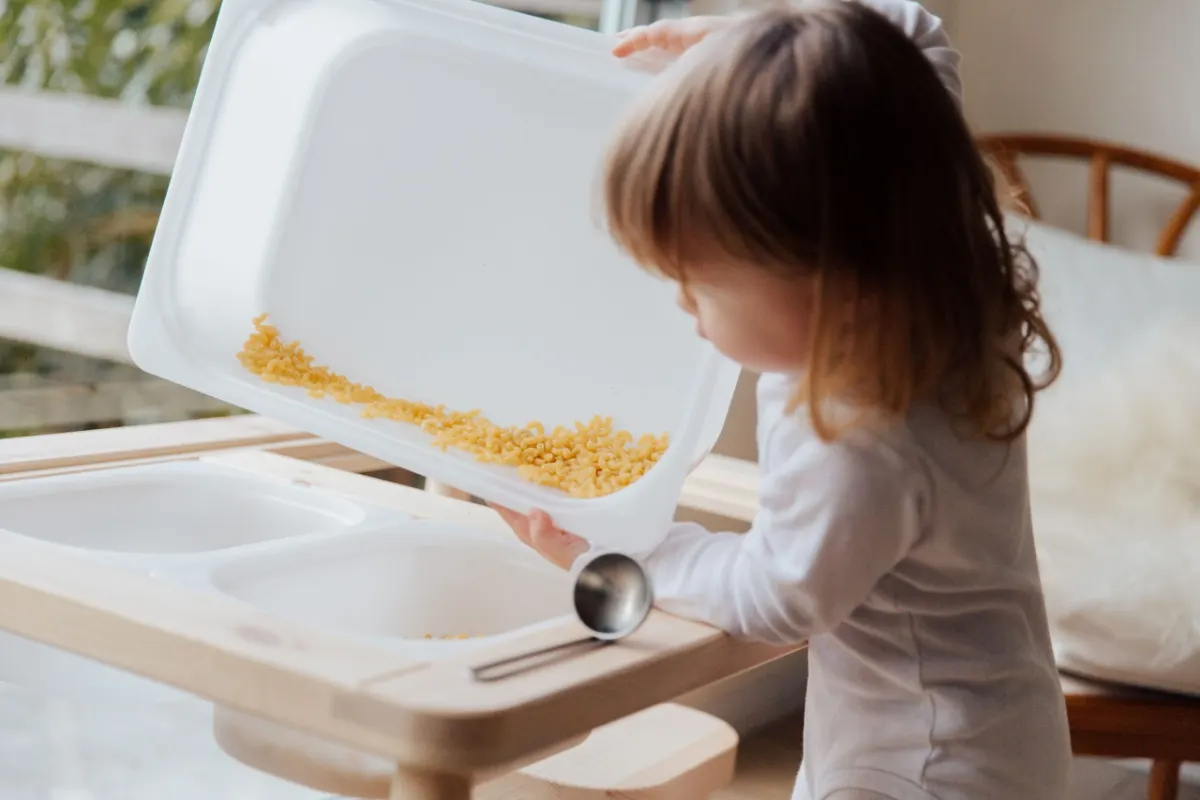
Fill a shallow bin with dry pasta, add a funnel and a couple of cups, and just…let go. Toddlers will scoop and pour way past the point where you’d expect them to lose interest. Nothing here stains. Nothing spoils. Cleanup’s under a minute. The only rule: if your toddler’s under 2.5 and still puts things in their mouth, stay close.
2. Water Play in a Basin (Low Mess)
A basin, some cups, a sponge, maybe a rubber duck. That’s the whole shopping list. Kids get pouring practice and a weirdly effective dose of calm out of it. One thing though: water always finds the floor eventually, no matter how careful the kid is, so a towel underneath saves you some mopping.
3. Texture Basket (Low Mess)
No recipe needed for this one. Grab a small basket, fill it with things that feel nothing alike, a washcloth, a wooden spoon, a sock, a smooth stone, and let your toddler dump it all out and touch each thing. Works especially well under 2, when just discovering different textures is the whole game. Zero cleanup, which is rare on this list.
4. Ice Cube Painting (Low-Medium Mess)
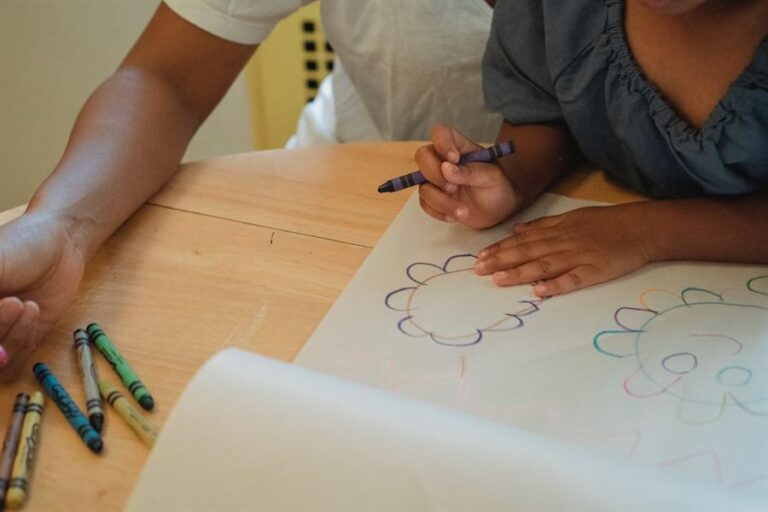
This is slower than regular painting, and colder, which somehow makes it feel new even though it’s basically the same idea. Freeze water with food coloring, hand your toddler a melting cube and some paper, and let them go. Good for naptime wind-down. Also good for a hot day when everyone’s a little cranky.
5. Shaving Cream on a Tray (Medium Mess)
Looks like the messiest thing on this list. Isn’t. Spray plain shaving cream on a tray, let your toddler smear it everywhere, and it wipes off skin and most surfaces about as easily as finger paint would. Not taste-safe, though, so this one waits until the heavy mouthing phase is over.
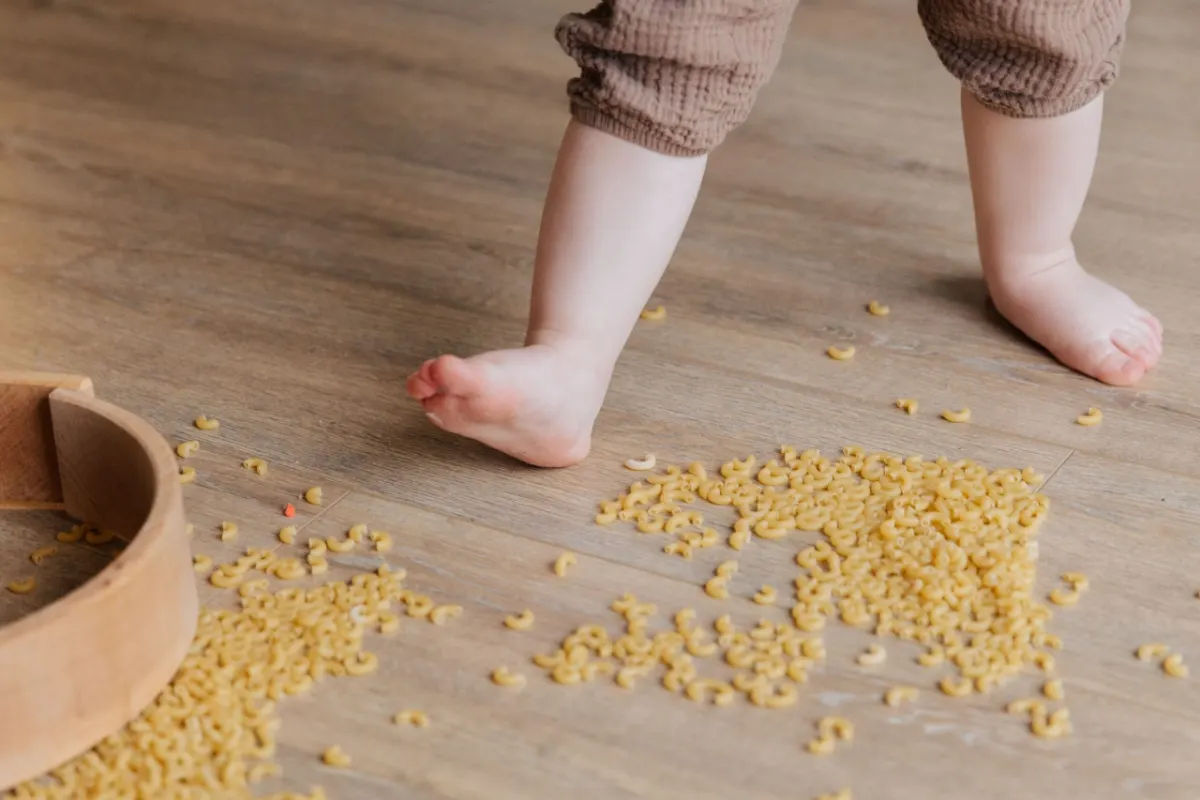
6. Macaroni or Rice Sensory Bin (Medium Mess)
Rice dyed with food coloring and a splash of rubbing alcohol turns into a sensory bin filler that costs next to nothing, once it dries overnight. Add scoops, small cups, a toy dinosaur or two. Just know it travels. Dyed rice ends up further from the bin than plain pasta ever does, and it shows up on dark floors.
7. Edible Finger Paint (Medium-High Mess)
For the toddler who licks their fingers no matter what you say: cornstarch, water, food coloring, or plain yogurt if you want zero worry at all. Skip the brush. Whole hand only. Do it on a washable mat, or just take it outside and let the yard deal with it.
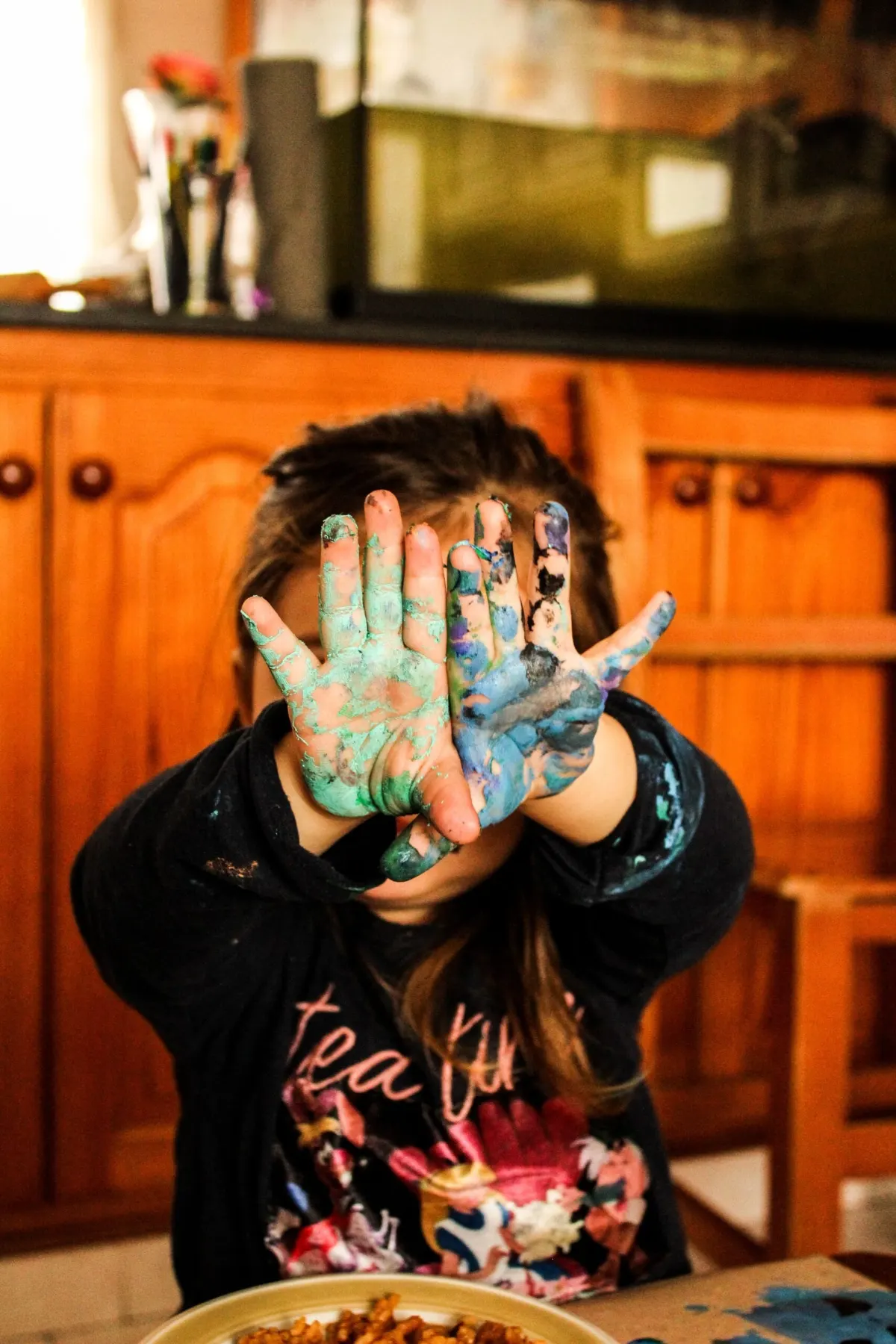
8. Homemade Oobleck (High Mess)
Two parts cornstarch, one part water. That’s oobleck, and it’s genuinely strange, solid when squeezed, liquid the second it’s not. Toddlers stay with this one longer than almost anything else on the list, probably because it keeps surprising them. Wet, it’s a mess. Dry, it’s chalky dust a vacuum eats in seconds.
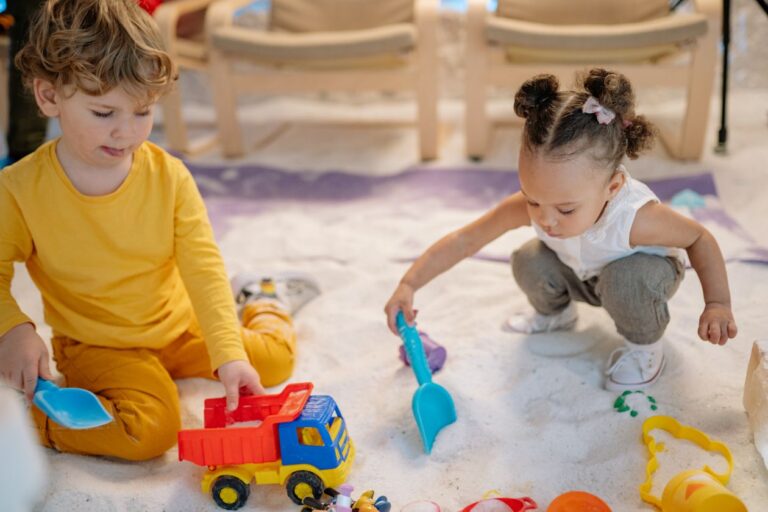
9. Kinetic Sand or Moon Sand (Medium Mess)
Costs more than the DIY stuff here, but it earns it back. Kinetic sand holds a shape like wet beach sand and never actually dries out, so it stays where you left it instead of drifting across the floor. Add toy trucks or cookie cutters and it turns into a construction site pretty fast.
10. Bubble Foam Bath (Medium Mess)
Soap foam turns bath time into sensory time. Whip dish soap and water with a hand mixer, or just shake it hard in a jar, until it’s a thick foam, then let your toddler dig in with a few drops of food coloring mixed in. Do it in the tub and cleanup is basically free: rinse it all down the drain when you’re done.
11. Sound Shakers (Low Mess)
Rice and beans make a great sound and a real choking hazard, at the same time. Seal them inside empty water bottles or plastic eggs instead, and your toddler gets the shake-and-listen fun without ever touching the small stuff directly.
12. Scent Exploration (Low Mess)
Smell is one of the five senses and somehow every sensory list forgets it exists. Fix that with small containers of something safe, cinnamon, vanilla, mint, orange peel, and say the name out loud as your toddler sniffs each one. Keep lids on between turns so nothing blends together.
Outdoor Sensory Activities for Toddlers
Outside, the mess problem solves itself. Hose’s right there. If there’s any yard at all, start with these three — or see our full outdoor activities for toddlers guide for more that don’t involve mess at all.
13. Mud Kitchen (High Mess, Outdoor)
An old pot, some kitchen tools, dirt, water. Hours of pretend cooking follow, almost guaranteed. Mud kitchens tend to be the highest-engagement outdoor activity around, probably because sensory play and imaginative play happen at the exact same time.
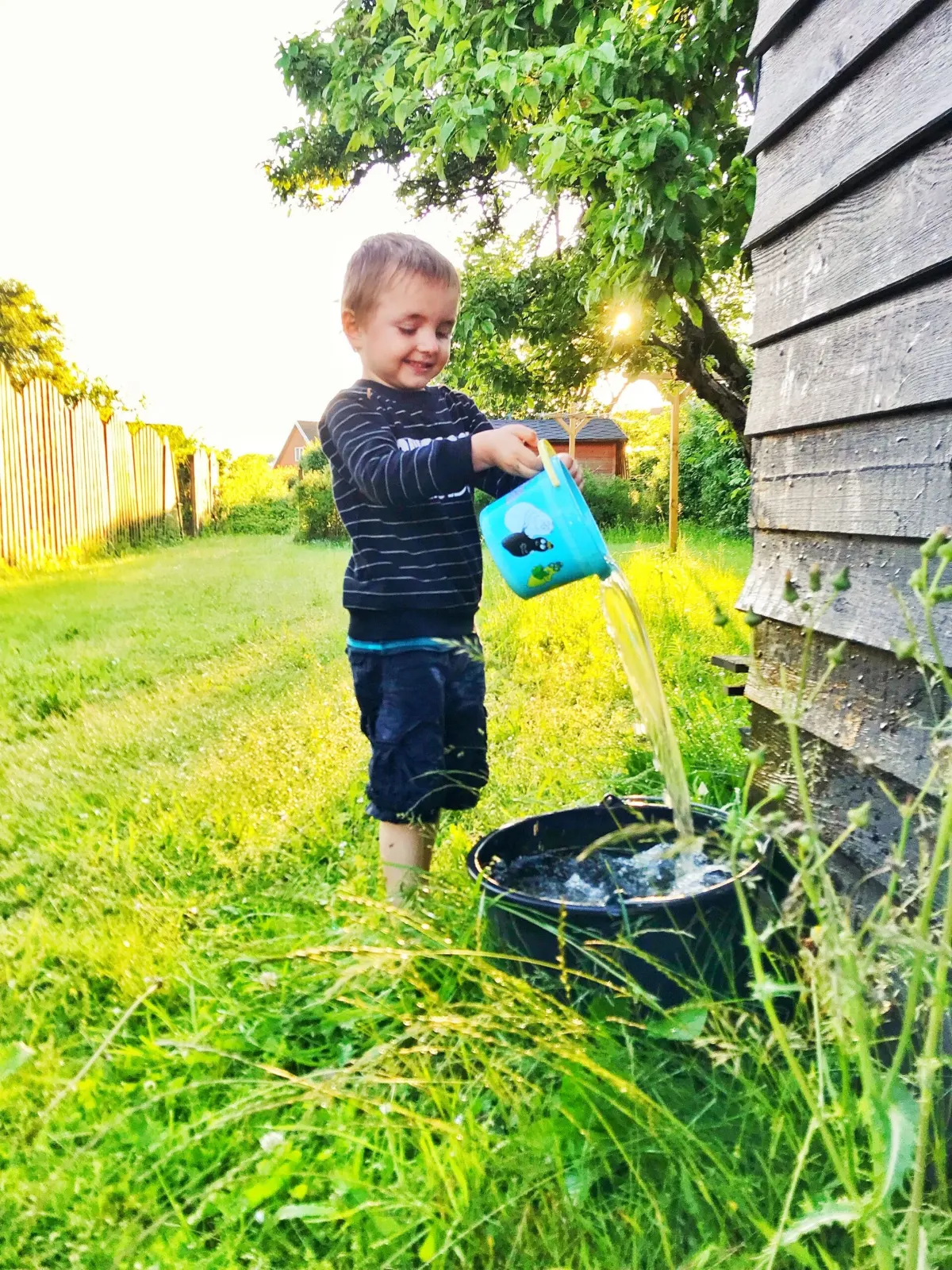
14. Water Table or Basin Play (Low-Medium Mess, Outdoor)
Same basin idea as indoors, just moved outside, where spills stop mattering. Add a watering can, some sponges, a few cups, and let your toddler pour with total abandon. Nobody’s flinching out here.
15. Nature Texture Hunt (Low Mess, Outdoor)
Walk the yard, or a park path, and collect anything with a distinct texture, a smooth stone, rough bark, a soft leaf, a pinecone. Say the name as your toddler touches each one. No setup. No cleanup. Good for a day when a full sensory bin feels like too much.
How to Keep Sensory Play From Taking Over Your House
One trick keeps this whole thing sustainable: a boundary. Shower curtain, old bed sheet, a big plastic tray, whatever’s around. Set it up before your toddler starts. Rice reaches the couch faster than you’d think otherwise.
A shop vac is maybe the best money spent in this entire rotation; ten minutes of rice cleanup becomes ninety seconds. And ending an activity before your toddler’s ready to stop? Totally fine. A calm “bin time’s done, let’s clean up together” does the same boundary-setting job every parenting blog talks about, no script required.
| Age Range | Best Fit | Skip For Now |
|---|---|---|
| 18–24 months | Texture basket, water basin, sound shakers | Anything with loose small pieces unsupervised |
| 2–3 years | Dry pasta bin, kinetic sand, ice cube painting | Non-taste-safe recipes if still mouthing objects |
| 3–4 years | Oobleck, edible finger paint, mud kitchen | Nothing extra — most activities are fair game |
Sensory Activities by Age
Age matters less here than it would for something like a balance bike. It still decides which of these fifteen make sense today, though, versus which ones are worth saving for later.
Rounding Out the Activity Rotation
This bin’s one piece of a bigger rotation, not the whole plan. Rainy week coming? Our indoor toddler activities guide has a full printable chart by age. Need mess-proof supplies? Our art supplies for toddlers guide covers taste-safe paint and gear that makes several of these easier.
Once the weather turns, pair this with real outdoor time. Our outdoor toys for 1 year olds guide is a good next stop for the yard side of things.
Frequently Asked Questions
What are the best sensory activities for toddlers who still put everything in their mouths?
Stick to taste-safe options like edible finger paint, cooked pasta bins, or oatmeal, and supervise closely for anything else. Skip water beads entirely, since the CPSC has linked them to serious injury in young children who swallow them.
How often should toddlers do sensory activities?
A few times a week is plenty for most families. Sensory play is valuable, but it doesn’t need to happen daily to build the fine motor and language skills it’s known for.
Why are sensory activities important for toddlers?
They build fine motor strength, language, self-regulation, and independent play skills all at once, using materials most households already have on hand.
What sensory activities work for toddlers with no time to prep anything?
Texture baskets, water basin play, and nature texture hunts all take under two minutes to set up and use items you likely already own.
The Bottom Line
None of this has to look pinnable. A bin of dry pasta and a cup does the same developmental job as an elaborate themed setup with a hashtag on it. Start low-mess if it’s new. Skip water beads, always. And let the mess level match your energy today, not some Pinterest board’s.
If you need a low-mess activity tied to a specific occasion, our daycare Halloween activities for toddlers guide applies the same low-mess thinking to classroom-safe seasonal play.
About the Author: Emma Carter
Emma Carter writes and edits every guide on 3 Things for Mom. She researches each recommendation through manufacturer specs, safety certifications, and patterns across real customer reviews before it makes the list. More on how picks are made →
(Illustrated avatar, not a photograph.)