30+ Indoor Activities for Toddlers by Age
Rainy days used to wreck my whole afternoon until I figured out the trick isn’t finding one activity that lasts an hour — it’s lining up a few good indoor toddler activities and rotating through them before anyone gets bored. Pick something sensory, something that burns energy, and something quiet, then swap every 15 to 20 minutes. Almost everything on this list is stuff you already own. The few things worth buying are cheap and you’ll use them for years, not once.
The short answer
The best indoor toddler activities rotate through three types — something sensory, something that burns energy, and something quiet — swapped every 15 to 20 minutes rather than relying on one activity to hold attention for an hour. Almost all of the 30+ ideas below use things already in the house; the few things worth buying are cheap and get used for years, not once. Energetic activities work best mid-morning, while quiet ones fit right before nap or bedtime, when the goal shifts from burning energy to winding down.
Indoor Toddler Activities by Age, at a Glance
I put together a chart of 14 indoor toddler activities sorted by the youngest age they actually work for, how messy they get, and how long setup takes, because most lists just throw ideas at you without saying whether a two-year-old can handle it or whether you’re mopping the floor after.
| Activity | Best Age | Mess Level | Setup Time |
|---|---|---|---|
| Dry sensory bin | 18mo+ | Medium | 2 min |
| Painter’s tape balance beam | 12mo+ | None | 1 min |
| Indoor bowling | 18mo+ | None | 2 min |
| Water painting | 2yr+ | Low | 2 min |
| Muffin tin color sorting | 18mo+ | None | 3 min |
| Box obstacle course | 2yr+ | None | 5 min |
| Sticker collage | 18mo+ | Low | 1 min |
| Ice cube melting race | 2yr+ | Medium | 1 min |
| Busy board | 12mo+ | None | 0 min |
| Balloon volleyball | 2.5yr+ | None | 1 min |
| Shaving cream on the table | 2yr+ | High | 2 min |
| Flashlight shadow play | 18mo+ | None | 1 min |
| Pom-pom drop | 18mo+ | None | 3 min |
| Finger painting with yogurt | 2yr+ | High | 2 min |
Sensory Play Activities
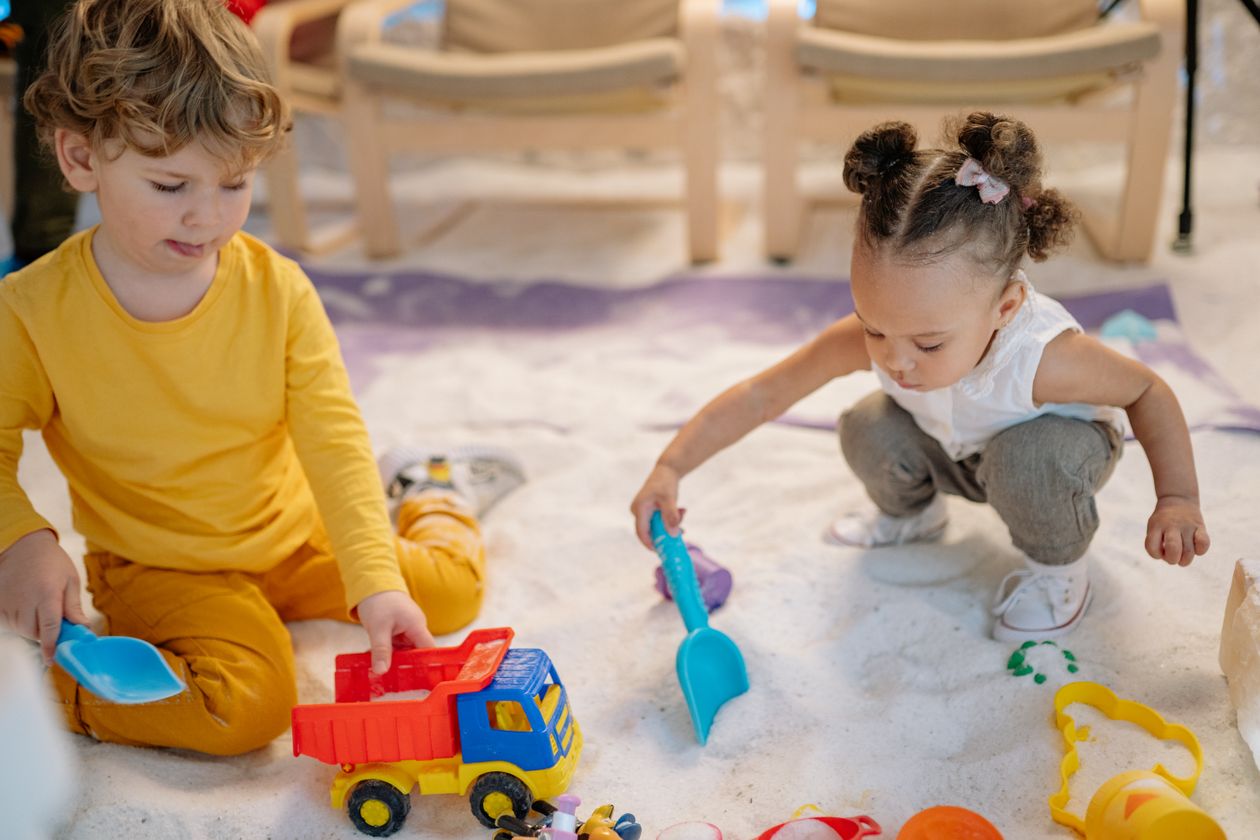
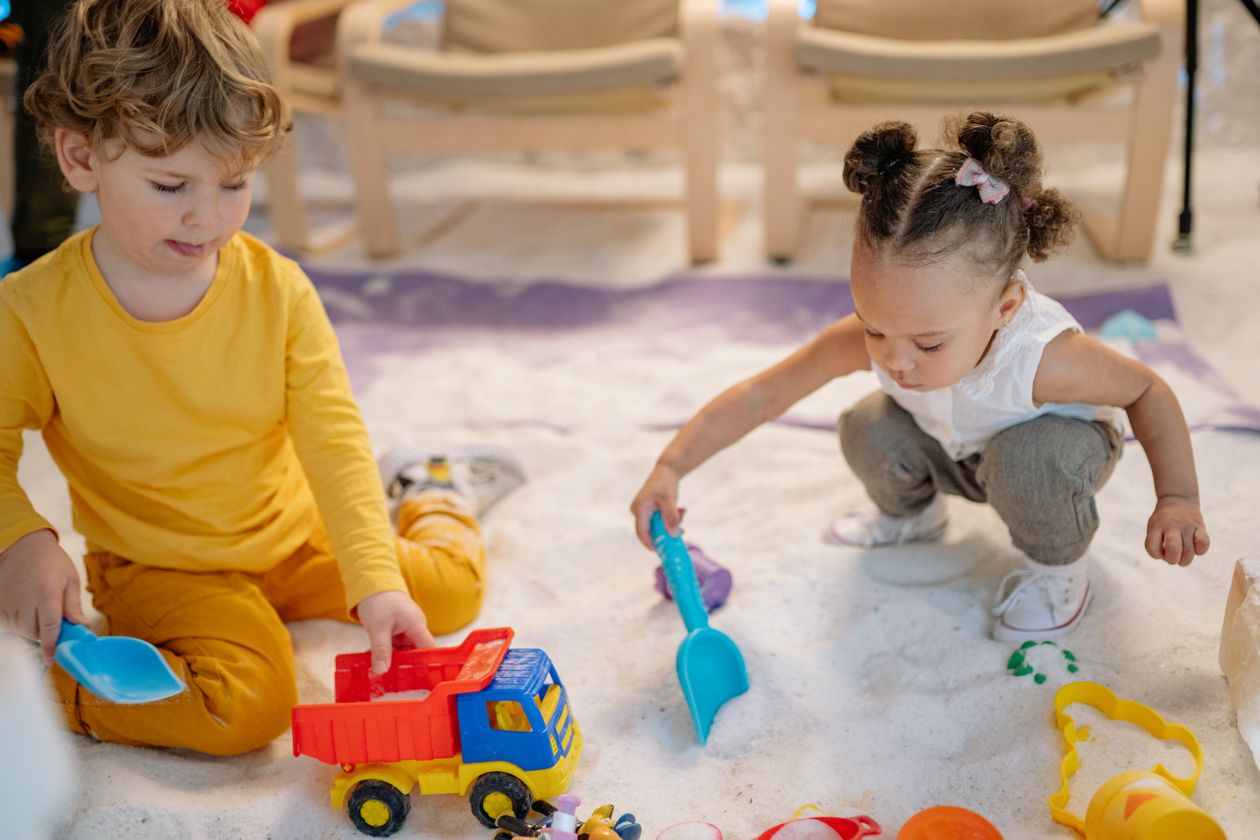
Sensory play buys you the most focused, independent time out of any category of indoor toddler activities, probably because it hits touch, sight, and sound all at once. Swap out whatever’s filling the bin every week or two so it stays interesting without spending another dollar. The bin and tools matter more than what’s inside it, honestly.
Dry Sensory Bin
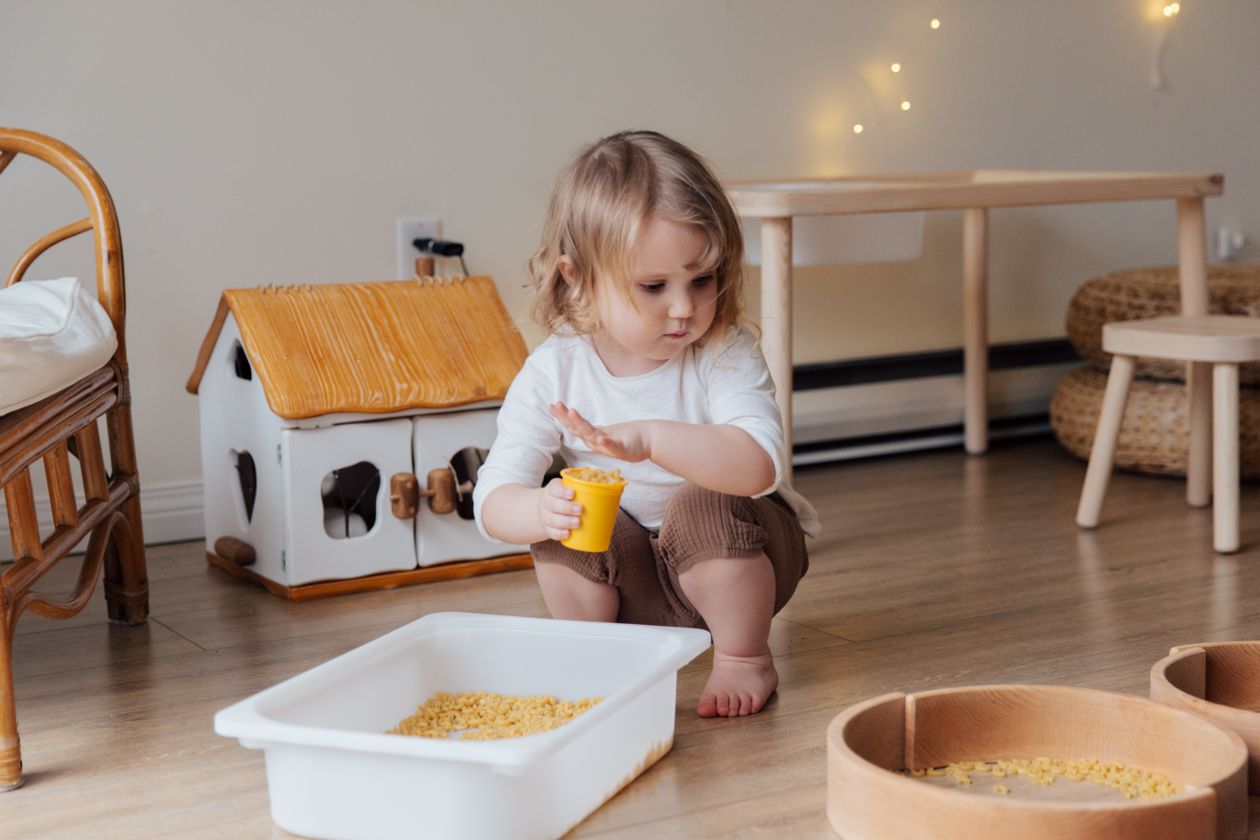
One of the easiest indoor toddler activities to set up, a dry sensory bin is just a shallow container filled with rice, dry pasta, or dried beans. Toss in measuring cups, a spoon, and a few small toys to bury and dig up. Rotate the filler between rice, oats, shredded paper, or pom-poms and it feels new every time even though nothing else changed. Get one with a lid so it’s not a disaster waiting to happen between uses.
Water Painting
Water painting is about as low-stakes as it gets. Give them a cup of water and a paintbrush, let them “paint” the paper towel or the bathroom tile. No stains, cleanup is a towel, and it’s genuinely good practice for brush control before you hand over real paint.
Ice Cube Melting Race
Two ice cubes, two plates, a dropper of warm water and one of cold water. Kids watch which one melts first and start asking why, which is basically a toddler’s first science experiment without you having to explain anything.
Pom-Pom Drop
Tape a cardboard tube to the wall at an angle with a container underneath. Toddlers work on their pincer grip picking up the pom-pom, then get the payoff of watching it vanish and reappear below.
Movement & Gross Motor Activities
These movement-based indoor toddler activities are best saved for when your toddler has actual energy to spend, not right before bed when you’re trying to calm things down. Mid-morning or right after a nap tends to be the sweet spot.

Painter’s Tape Balance Beam
Lay a strip of painter’s tape on the floor, straight or curved, and let them walk, hop, or crawl along it. It doesn’t damage most flooring and works in literally any room — hallways especially, since the tape naturally keeps them going in a line.
Box Obstacle Course
Grab whatever empty boxes you have lying around, some couch cushions to step over, and a laundry basket to walk around. Rearrange the pieces every few days instead of building something new each time.
Indoor Bowling
Empty cups or water bottles as pins and a soft ball. Any hard floor works, no real pins required. Throw in a sticker or small prize for a strike if your toddler is old enough to get excited about games with rules.
Balloon Volleyball
One balloon, no net, just keep it off the floor. It moves slow enough for toddlers to track and hit, and somehow it wears them out more than most indoor games manage.
Quiet & Independent Play
Quiet activities are the ones every list seems to forget, and they’re honestly the most useful ones, because they buy you the 15 minutes you need to make a call or start dinner without a toddler underfoot. Pairing quiet play with a stack of board books is one of our favorite low-key combinations — see our board book picks for toddlers if you need a few new titles in the rotation.
Busy Board
A busy board, which is really just a board or old cabinet door covered in latches, switches, zippers, and buttons, keeps toddlers occupied far longer than most toys manage. It’s also the kind of fine-motor practice occupational therapists tend to recommend for this age. If you’d rather buy one ready-made, our Montessori practical life toy guide covers a few worth considering.
Muffin Tin Color Sorting
A muffin tin, a bowl of pom-poms or buttons in matching colors, and a toddler matching them up. It’s simple and it works, though check the safety note below first if your kid still puts things in their mouth.
Flashlight Shadow Play
Dim the room, hand over a flashlight, and let them make shapes with their hands or a toy against the wall. Calm, low-stimulation, and it doesn’t rev anyone up the way movement games do.
Art & Creative Activities
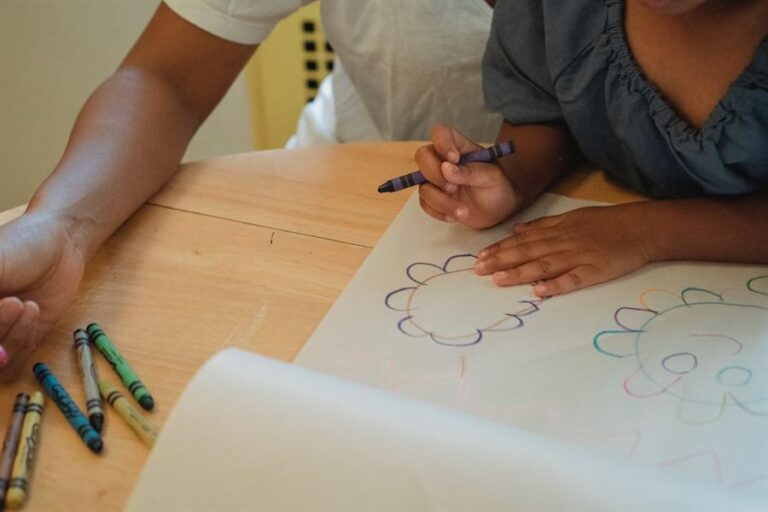
These art-based indoor toddler activities work best with fewer supplies, not more — longer focus almost always follows. A toddler handed three crayons will draw longer than one handed a full 64-pack, which sounds backwards but tracks every time I’ve seen it.
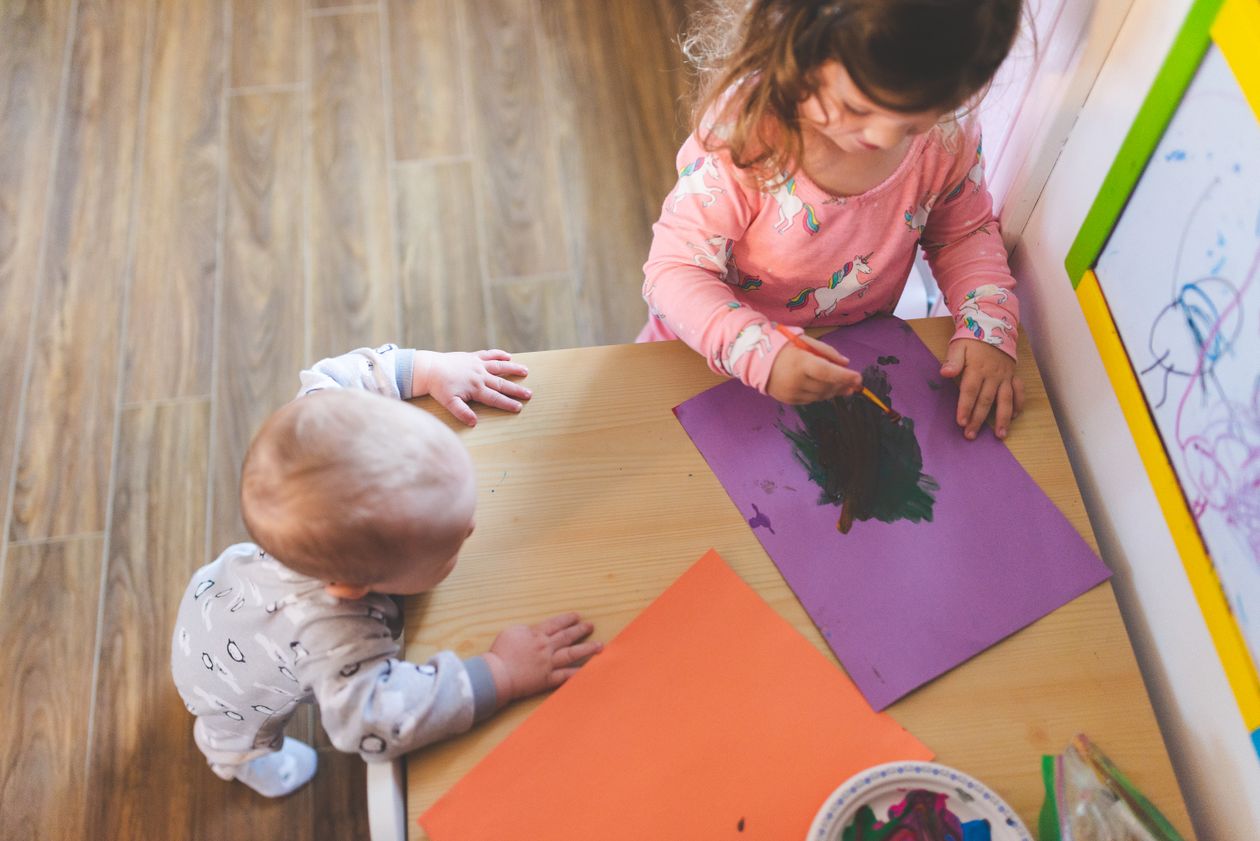
Sticker Collage
Paper and a page of stickers. Peeling the backing off is genuinely hard, useful fine-motor work for toddlers under two, and there’s no wrong way to place them, which keeps frustration low.
Shaving Cream on the Table
Shaving cream on a wipeable table or high-chair tray gives toddlers a surface to draw shapes and letters with a finger, wipe away, and start over. Cleanup is a damp cloth, under a minute.
Finger Painting with Yogurt
Plain yogurt, tinted with a couple drops of food coloring, spread on parchment paper. It’s the move if your toddler still tastes everything they touch — bland enough that most lose interest in eating it after the first try.
A Safety Note on Small Parts
Anything with small parts — pom-poms, buttons, beads — is worth checking against the U.S. Consumer Product Safety Commission’s toy safety guidance. Their rule of thumb: if an object fits inside a standard toilet paper tube, roughly 1.75 inches, it’s a choking hazard for kids under three. Supervise closely, and if your toddler’s still mouthing things, skip the small-object activities entirely and stick with the dry sensory bin or busy board instead.
Frequently Asked Questions About Indoor Toddler Activities
How many toys should a toddler have out at once?
Most early-childhood educators land somewhere around 6 to 10 at a time, not everything at once. More options out tends to scatter focus rather than help it, so rotating toys weekly keeps things feeling new without buying anything.
How long will a toddler actually stick with one activity?
Realistically 10 to 20 minutes, longer for sensory bins or water play. Plan on 2 to 3 activities per session rather than expecting one to fill an hour, because it usually won’t.
What if my toddler loses interest right away?
Try offering fewer materials at once, since a full sensory bin can overwhelm rather than invite, and model the activity yourself for a minute before stepping back. If it still falls flat, that one might just suit an older age — not everything here works for every kid.
Do I need to buy anything to start these indoor toddler activities?
No. About half of this list uses things you already have around the house — tape, boxes, cups, a flashlight. The buying advice above is there for when you decide you want something specific, not because you need it to get started today.
Looking for something more seasonal? Our daycare Halloween activities for toddlers guide covers low-mess options that work just as well at home as they do for a classroom party.
Related Reading
For a hands-off mealtime option to pair with a busy activity day, we’re working on a full toddler-friendly crockpot meals guide — check back soon, or browse everything published so far on the 3 Things for Mom homepage.
Emma writes and edits every guide on 3 Things for Mom. This piece was compiled from occupational-therapy resources, early-childhood education guidance, and patterns across parent communities — not from hands-on testing of every activity. Read more about how we pick and who writes this.
Want more themed ideas? See our Thanksgiving activities for toddlers and sensory activities for toddlers guides.
About the Author: Emma Carter
Emma Carter writes and edits every guide on 3 Things for Mom. She researches each recommendation through manufacturer specs, safety certifications, and patterns across real customer reviews before it makes the list. More on how picks are made →
(Illustrated avatar, not a photograph.)