How to Stop Toddler From Throwing Food: 5 Steps That Work
How to stop toddler from throwing food comes down to one thing: consistency. Set one calm limit. Follow through by ending the meal the moment the throwing starts up again. And don’t hand over a different snack ten minutes later to smooth things over. This is one of the most universal mealtime phases out there. It’s not a sign of bad parenting, and it’s not proof of a badly behaved kid either — it just responds better to a boring, predictable reaction than a big one.

The short answer
Toddlers throw food because they’re testing cause and effect, signaling they’re done eating, or looking for a reaction, not because something is wrong with how they’re being fed. The most effective way to stop a toddler from throwing food is ending the meal calmly once throwing starts, rather than negotiating or reacting big, combined with smaller portions that make a full bowl less tempting to dump. This phase is developmentally normal and typically fades as a toddler gets more hand control and more words to communicate “done” instead.
Why Do Toddlers Throw Food in the First Place?
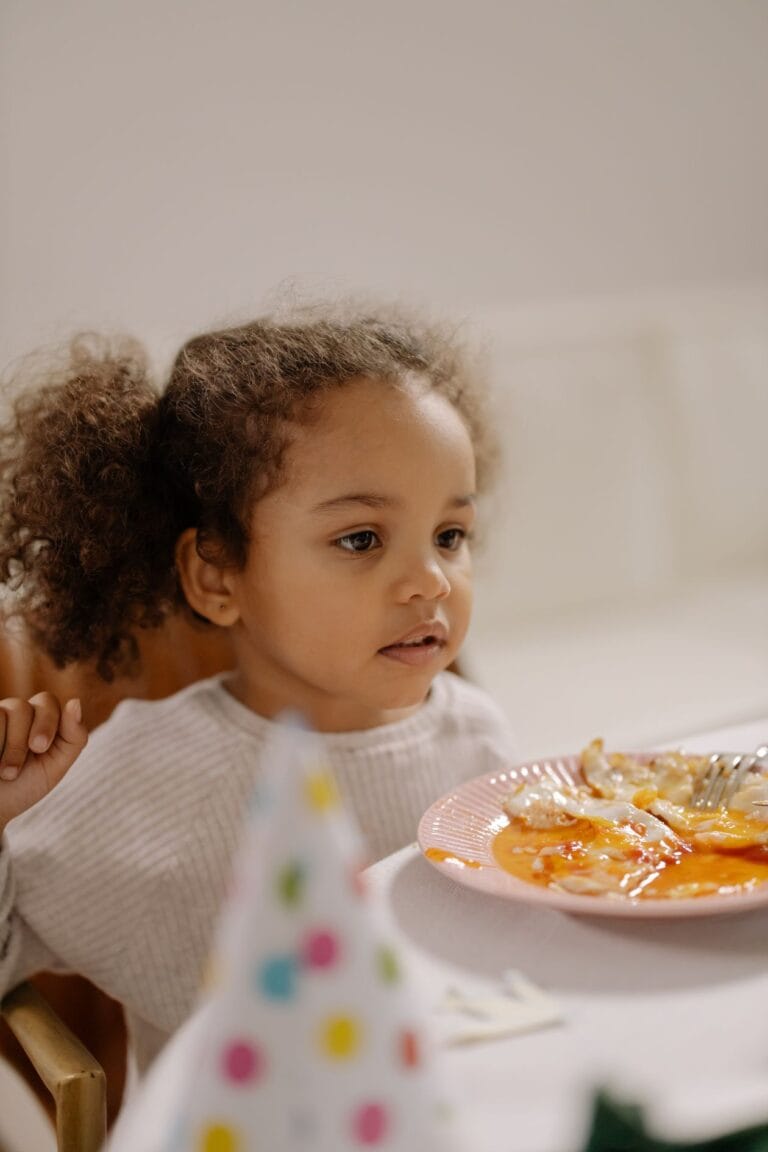
Toddlers throw food because they’re testing cause and effect, and mealtime happens to be the most reliable place to run the experiment. Somewhere around eight months, babies start figuring out that dropping something makes it fall — by the time that turns into deliberate toddler throwing, it’s less about gravity and more about watching what happens next: does the dog come running, does the plate get refilled, does a parent’s face change?
There’s also a communication piece that’s easy to miss. A toddler who can’t yet say “I’m full” or “I don’t like this” has very few tools left besides pushing the plate, or the food itself, onto the floor. Add in a genuinely simple cause: a toddler who had a big cup of milk twenty minutes before dinner just isn’t hungry, and food becomes something to play with instead of eat.
The Reaction That Accidentally Keeps It Going
A big reaction — gasping, raising your voice, an exaggerated “no no no!” — is often the most interesting part of a toddler’s whole day, which means it’s exactly the response most likely to get repeated tomorrow. The same goes for quietly swapping the thrown food for something more appealing a few minutes later; without meaning to, that teaches a toddler that throwing is how you place a new order.
None of this means ignoring it outright. It means keeping your own reaction flat and predictable, which is a genuinely hard habit to build when you’re the one scraping mashed banana off the wall for the third time this week.
How to Stop Toddler From Throwing Food, Step by Step
Here’s how to stop toddler from throwing food in practice: combine a fuller stomach at the table with one clear, low-key limit that gets enforced the same way every single time.
- Check the schedule first. If snacks or milk are landing close to mealtime, a toddler simply won’t be hungry enough to sit through it. Spacing meals and snacks by two to three hours tends to fix a surprising amount of “throwing” that was really just boredom at a table with nothing else to do.
- Give the throwing somewhere else to go. A few minutes of tossing a soft ball or a stuffed animal back and forth right before sitting down can take the edge off the urge before food ever hits the tray.
- Set one verbal limit, and use the same words every time. Something like: “Food stays on the table. If it gets thrown again, the meal is done.” Consistency matters more than the exact wording.
- Follow through, calmly. If the throwing continues, end the meal without drama: “You’re telling me you’re all done. Let’s clean up,” and move on. No lecture, no raised voice — the natural consequence is the meal ending, not a punishment layered on top of it.
- Don’t offer a substitute snack right after. This is the step that undoes everything else if it’s skipped. An off-schedule snack twenty minutes later teaches a toddler that throwing is a shortcut to better food.
When Does the Throwing Phase Actually End?
Toddler food throwing typically peaks between 12 and 18 months and starts tapering off around age two, as language catches up enough to replace the behavior it was standing in for. Pediatric feeding specialists at Solid Starts note that how it’s handled at home has a real effect on how long the phase drags on — consistent limits and a mealtime schedule that brings a toddler to the table genuinely hungry both shorten it, while inconsistent reactions tend to stretch it out.
None of this is a fast fix. Even with every step followed correctly, expect some throwing at some meals for a while yet — the goal is shortening the phase, not skipping it entirely.
When It’s Worth a Second Look
For the vast majority of toddlers, food throwing is ordinary boundary-testing, not a red flag. It’s worth mentioning to a pediatrician if throwing is the only way a toddler ever communicates at the table well past age three, alongside little to no interest in feeding themselves at all. That combination is rare, and it’s a “mention it at the next visit” situation rather than an emergency.
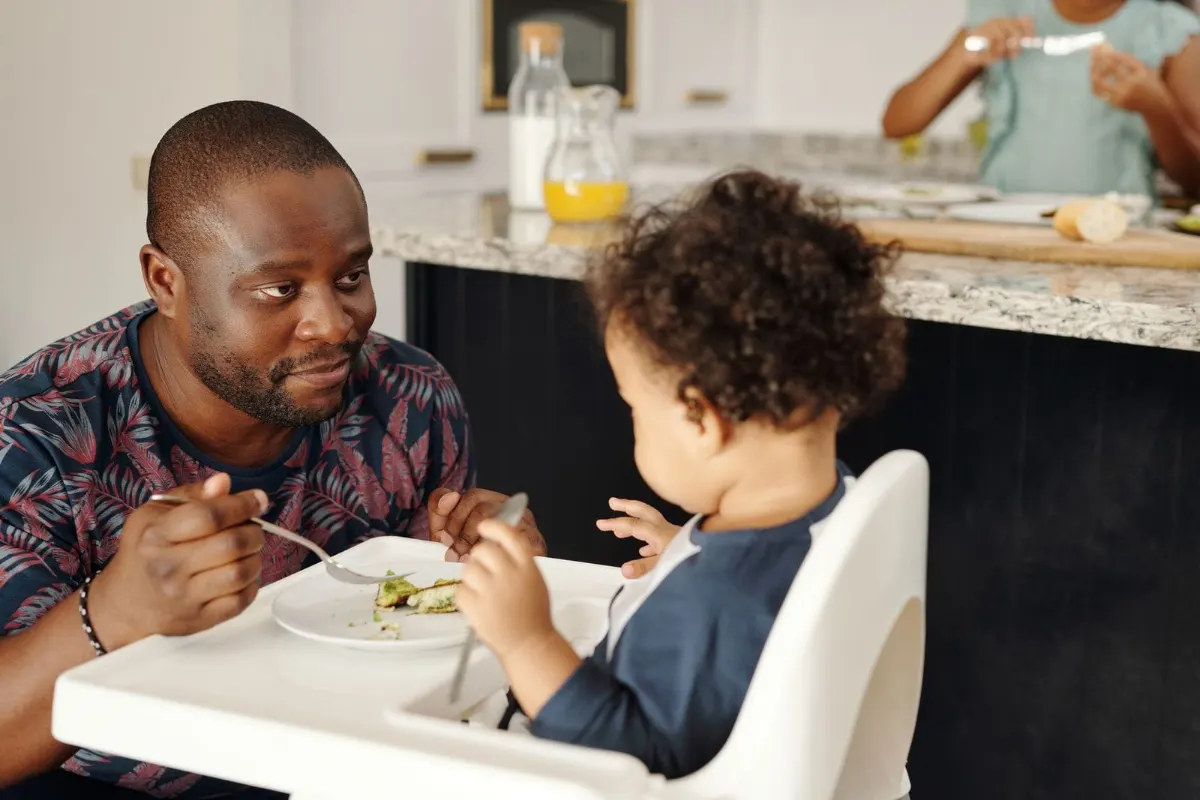
This is also where self-feeding independence actually helps rather than hurts. Toddlers given real control over what goes in their mouth, the same principle behind baby-led weaning, tend to have less to “say” through throwing, because they’ve already got a say in what’s on their plate.
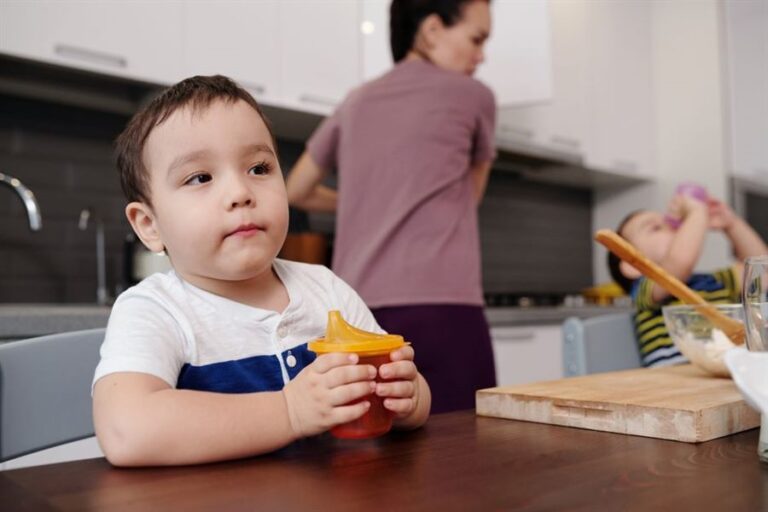
Gear matters less than the routine does, but a high chair setup that survives the phase without adding its own mess helps. Bowls that actually stay put through a real shove are worth having on hand: see our picks for the best baby bowls for what held up under testing pressure, not just marketing claims. Cups get the same treatment during this phase; a straw cup built to resist a mid-meal drop saves a genuinely surprising amount of cleanup.
Frequently Asked Questions
At what age do toddlers usually stop throwing food?
Most toddlers taper off between 12 and 18 months, with the behavior largely fading by age two as verbal skills catch up. Consistent limits at home tend to shorten the phase; big reactions or inconsistent follow-through tend to stretch it out.
Is throwing food a sign of a behavior problem?
No, not on its own. Most toddler food throwing is ordinary cause-and-effect testing or a stand-in for words a toddler doesn’t have yet, not defiance or a discipline issue.
Should I use a time-out when my toddler throws food?
Generally, no — young toddlers don’t reliably connect a time-out to something they did minutes earlier at the table, so it tends to add drama without teaching much. Ending the meal calmly works better as a natural consequence than a separate punishment does.
Why does my toddler only throw food for me and not for daycare or a grandparent?
That’s usually a sign of trust, not a discipline gap — toddlers often save their toughest behavior for whoever feels safest. It can also mean the response elsewhere is less rewarding: no big reaction, no replacement snack, so there’s less reason to keep testing it there.
Practical Takeaway
If you take one thing from how to stop toddler from throwing food: it comes down to boring, repeatable consistency, not a clever trick. Toddler food throwing isn’t a parenting failure and it isn’t permanent. Feed on a schedule that brings a hungry toddler to the table, set one limit and use the exact same words every time, end the meal calmly when throwing continues, and resist the urge to smooth it over with a snack twenty minutes later. That combination is what actually shortens how long this phase sticks around — not a single trick, just doing the boring, consistent thing at every meal until it stops being interesting. A predictable schedule matters here too — our free toddler meal plan by age makes it easier to keep meal and snack timing consistent.
About the Author: Emma Carter
Emma Carter writes and edits every guide on 3 Things for Mom. She researches each recommendation through manufacturer specs, safety certifications, and patterns across real customer reviews before it makes the list. More on how picks are made →
(Illustrated avatar, not a photograph.)