36 Lunch Ideas for Toddlers: Picky Eaters & Daycare
Lunch ideas for toddlers work best as a small set of repeatable components you rotate, not a new recipe every day. This guide gives you 36 numbered combos organized by situation (easy, picky eater, daycare, no-cook, make-ahead, empty-fridge), a simple formula for building your own on the fly, and exactly what to cut or skip for choking safety. Jump to the picks →
The short answer
Workable toddler lunches follow one shape — a protein, a carb, and a fruit or vegetable kept in separate piles rather than mixed together, since toddlers reliably eat familiar foods presented their own way. That formula works whether lunch is for home, daycare, or a packed cold lunch with no way to reheat anything. The 36 lunch ideas below are built on that same base so a picky eater or a rushed morning both have a real answer, not just a list of recipes.
The Toddler Lunch Formula
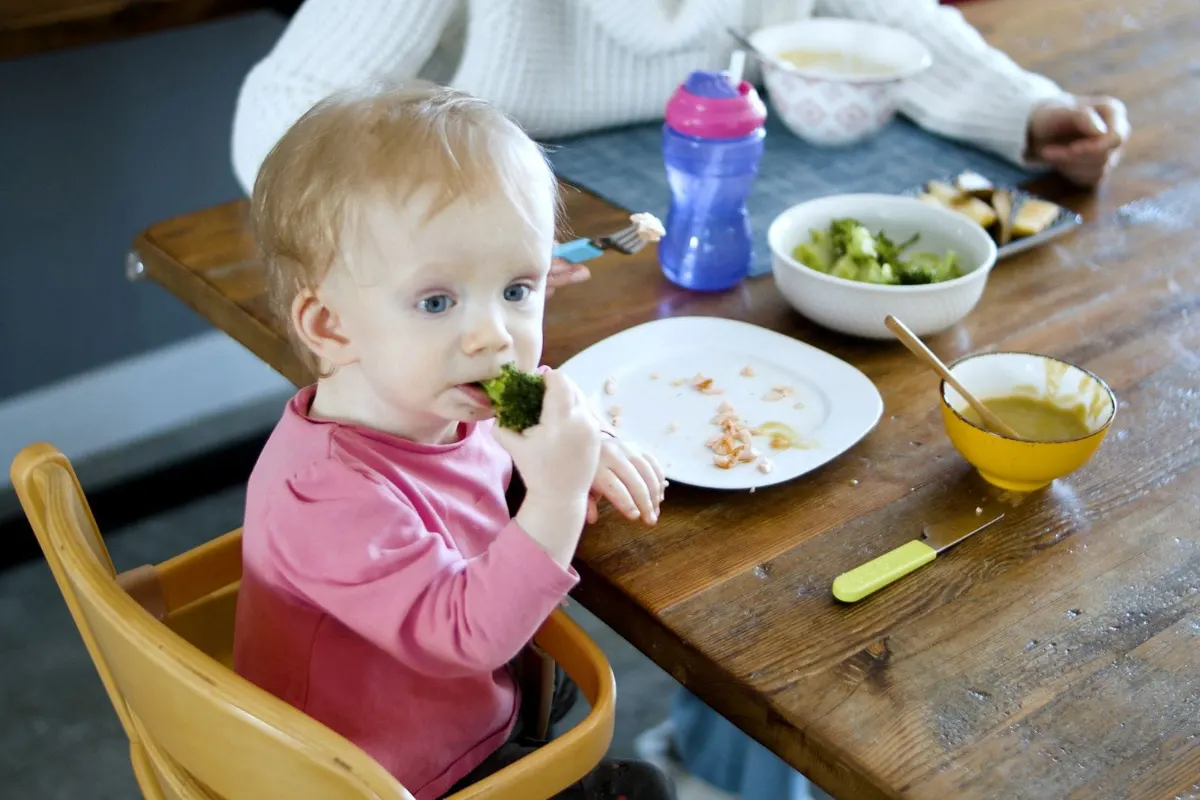
Most workable toddler lunches follow the same shape: a protein + a grain or starch + a fruit or vegetable + an optional fat. You don’t need a recipe once this is second nature — you just need to know what’s in the fridge. A few quick examples: eggs + toast + avocado; leftover chicken + rice + steamed carrots; cheese + crackers + apple slices; yogurt + berries + granola. None of these need a cutting board full of ingredients or more than a few minutes of assembly.
Quick Picks: Best Lunch Ideas for Toddlers by Situation
Best for Busy Mornings: #2, turkey or ham roll-ups with cut fruit — one cutting board, no stove.
Best for Picky Eaters: #8, a snack plate with 4-5 separate small piles — toddlers who reject mixed meals often eat the same foods happily once nothing’s touching.
Best for Daycare With No Microwave: #18, a warm thermos lunch — still hot at lunchtime without any reheating on-site.
36 Lunch Ideas for Toddlers, by Situation
Easy and Healthy (1–7)
These are the ones to default to on an ordinary day, when nothing special is going on and you just need lunch on the table.
- Leftover remix, cut small is the single fastest lunch on this list if dinner already happened — reheat last night’s chicken, rice, and vegetables, cut everything down to size, and skip cooking twice in one day.
- A slice of deli meat wrapped around cheese and sliced into coins (turkey or ham roll-ups) is genuinely convenient, not something to lean on daily; because deli meat is processed and higher in sodium, shredded rotisserie chicken rolled the same way is the better everyday default once you have it on hand.
- On a morning when eggs feel like too much effort, a yogurt, fruit, and granola bowl works, as long as the granola goes in right before serving rather than ahead of time, or it goes soft in the fridge.
- Boil a batch of eggs on a Sunday and hard-boiled egg and avocado becomes a zero-cook lunch for days — halve or quarter the egg, add soft avocado slices, done.
- For a toddler who struggles with a whole triangle in one bite, cut grilled cheese into strips with cucumber on the side instead; the thinner shape is easier to gnaw down.
- Quesadilla wedges and orange segments make a five-minute stovetop lunch that also works cold the next day if there are leftovers, which not every hot lunch does.
- Built almost entirely from pantry and freezer staples, a rice, black bean, and cheese bowl is the one to reach for on a day the fridge looks emptier than usual.
Picky Eaters (8–12)
The pattern underneath all five of these: separation, not the food itself, is usually what’s actually being rejected.

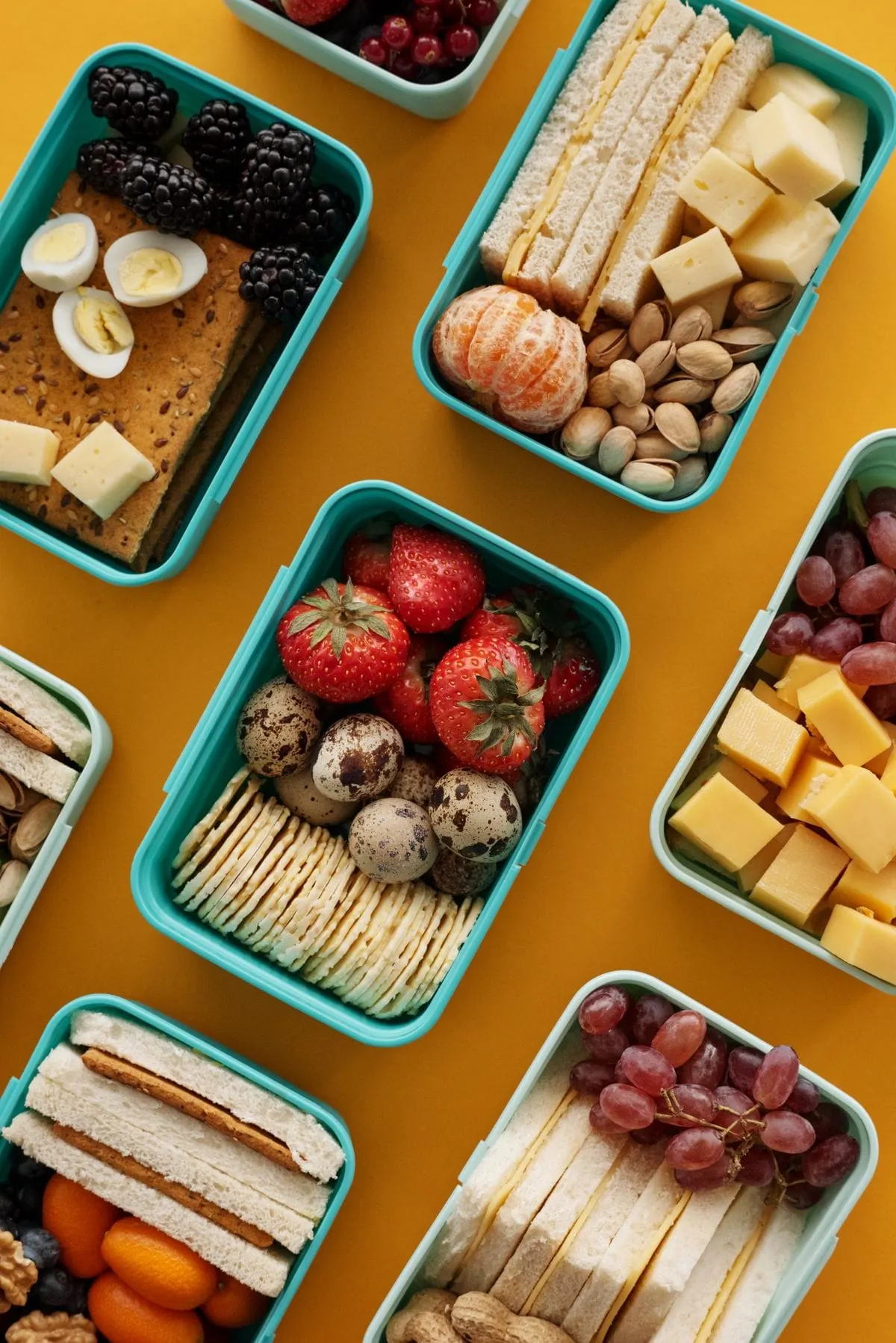
- Crackers, cheese cubes, cucumber slices, and soft dried apricots, each in its own pile, is the classic DIY snack plate — it works because a toddler can see exactly what’s on offer before committing to a bite.
- A homemade lunchable of crackers, a folded slice of deli meat, and cheese cubes, arranged separately, gets the appeal of the packaged version without the extra additives.
- A surprising number of picky eaters will eat almost anything if it comes with something to dunk it in first, which is the whole logic behind a dip-only plate: cucumber sticks, crackers, and soft pretzel pieces with one dip, hummus, plain yogurt, or ranch.
- For a toddler who’s fine with each food alone but visibly upset the moment two foods touch on a regular plate, a one-food-per-cup muffin tin solves the problem without a fight.
- The same 3-4 foods your toddler already reliably eats, on rotation, is a legitimate lunch and not a failure to try harder — keep 5-7 of these repeat-safe backup foods stocked so a picky day doesn’t turn into a standoff.
Daycare, Preschool, and the Lunch Box (13–19)
The common thread here isn’t the food so much as the container: everything below needs to survive a few hours outside the fridge, often with no way to reheat it on-site.
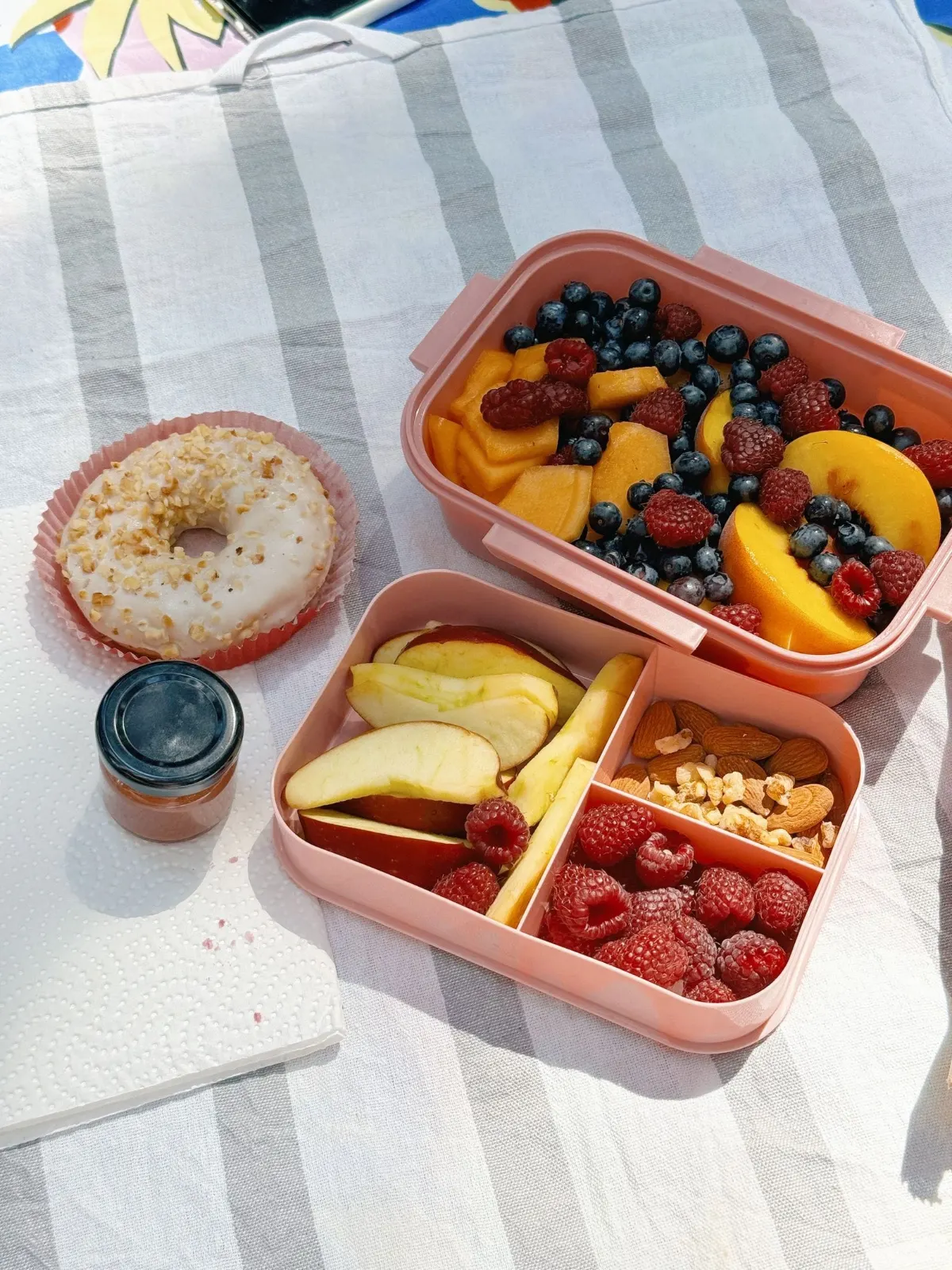
- Cheese cubes, crackers, halved grapes, and quartered cherry tomatoes, each in its own cup of a mini muffin-tin bento, means nothing shifts around and gets soggy on the ride to daycare.
- A rice ball, edamame, and orange bento holds up well at room temperature for a few hours, which makes it a safer bet than anything dairy-heavy for a longer daycare day.
- Waffle strips, seed butter, and banana: a toaster waffle cut into strips with sunflower seed butter (nut-free for most daycare policies), sweet enough to double as breakfast-for-lunch when mornings run long.
- English muffin pizza bites reward making a double batch, since whatever’s left freezes into a make-ahead option as much as a daycare one.
- The shape does a lot of the work with a cookie-cutter sandwich and apple slices — toddlers are, for reasons that don’t fully make sense, more likely to eat one cut into a star than a triangle.
- A warm thermos lunch — mac and cheese, soup, or leftover pasta packed hot in a preheated thermos — is the answer for a daycare with no microwave; see the food-safety notes below for how to actually keep it hot until lunchtime.
- A cold no-reheat pasta salad, small shapes with olive oil, peas, and cubed cheese packed with an ice pack, covers the other end of the problem for a toddler who’d rather have lunch cold than warm anyway.
No-Cook and Cold (20–24)
Nothing gets cooked here at all, which makes these some of the fastest lunch ideas for toddlers on this whole list — useful on a hot day, a move day, or any day the stove just isn’t happening.
- If raw carrot feels too hard for your toddler’s chewing right now, steam the carrot sticks the night before; softened, hummus and veggie sticks becomes an easier version of the same lunch.
- Roll turkey-cheese pinwheels, then give them a few minutes in the fridge before slicing — skip that step and they just fall apart on the cutting board.
- A cold-cut or nut-free-butter sandwich cut into strips rather than triangles suits a toddler who does better picking up a long piece than managing a wide one.
- Cottage cheese and soft fruit is about as close to a five-minute lunch as this list gets, for a day when even a sandwich feels like too much prep.
- Cereal squares, cheese cubes, and soft dried fruit poured straight from their containers make a trail-mix style plate that’s the one to grab on the way out the door for a picnic or a car trip.
Make-Ahead and High-Protein (25–29)
Worth the extra weekend effort because it buys back time on the exact days you won’t have any: batch one of these and a weekday lunch becomes a reheat, not a cook.

- A savory or lightly sweet muffin with grated zucchini or carrot, frozen individually, means pulling out one freezer veggie muffin at a time instead of defrosting a whole batch.
- Make-ahead mac and cheese cups, baked in a muffin tin so portions are already toddler-sized once thawed, cut out the step of portioning a full pot on a rushed morning.
- Mini muffin-tin protein egg bites with cheese and finely chopped vegetables reheat in under a minute and pack more protein per bite than a sandwich does.
- Thaw meatball and rice freezer packs overnight in the fridge rather than the counter, then reheat — a good one to lean on the week a new sibling or a work trip has thrown the schedule off.
- Swapping regular yogurt for Greek in a protein yogurt bowl is the single easiest protein bump on this whole list, no extra prep required.
Using What’s Already on Hand (30–36)
These seven aren’t fixed recipes so much as a reminder that most of the fridge’s contents can become lunch without a grocery run.
- Whatever cooked vegetables and protein happen to be in the fridge, warmed through with rice into a stir-fry rice bowl, is a legitimate lunch even when it doesn’t match anything on this list exactly.
- Any mild soup already in the fridge, packed hot in a thermos with soft bread strips for dunking, is an easy way to use up dinner from two nights ago before it goes to waste.
- Real tuna or mashed chickpeas with a little mayo or yogurt, rolled in a soft tortilla, makes a higher-protein wrap for a household that’s already stocked on canned tuna or beans.
- Cut fruit and cheese arranged in a line on the plate gets the visual appeal of a skewer, kabob-style, without an actual skewer, which is its own poking and choking hazard at this age.
- Canned salmon, flaked and mixed with mashed avocado, spread on toast triangles or offered on its own, covers protein and healthy fat on a day nothing’s thawed — canned salmon and avocado mash needs no cooking at all.
- Leftover rice, a scrambled egg, and whatever frozen peas are in the freezer, warmed together in one pan, turns into a fried-rice-style bowl that uses up exactly the kind of odds and ends that would otherwise go to waste.
- A can of black beans, rinsed and warmed with a sprinkle of cheese, next to whatever soft fruit is on the counter, is about as fast as a pantry black bean bowl gets on a day the fridge is genuinely empty.
Build It From What’s Already in the Fridge
The formula above turns into a shortcut once you know a few branches by heart:
- Have eggs? Egg + toast + avocado + fruit.
- Have leftover chicken? Chicken + rice + steamed vegetables.
- Have tortillas? Quesadilla + fruit + yogurt.
- Have yogurt? Yogurt + fruit + oats or whole-grain cereal.
None of this requires the exact 36 combos above — it’s the same underlying formula, applied to whatever’s actually in the kitchen that day.
Lunch Ideas by Age: 1, 18 Months, 2, and 3 Years
The combos above work across ages with adjustments to texture and size, not a different menu at each stage.
Around 1 year: cut everything smaller than seems necessary, favor soft textures (ripe fruit, well-cooked pasta, shredded meat), and offer fewer separate items at once.
Around 18 months: most toddlers can manage slightly larger pieces and a few more textures in one sitting, though the choking-safety cuts below still apply in full.
Around 2 years: more of the picky-eater and daycare combos work without modification, and self-feeding with a fork gets more reliable.
Around 3 years: chewing and molars are more developed for most kids, which allows a wider range of textures. The specific cuts and modifications below are still worth following at this age; see the safety section for why.
Daycare and Packed-Lunch Food Safety
Perishable food left at room temperature isn’t automatically safe just because it’s in a lunch box. USDA food-safety guidance puts perishable foods in the “danger zone” after about two hours at room temperature, so how a lunch is packed matters as much as what’s in it.
Refrigerated foods (cheese, yogurt, cut fruit, sandwiches with meat) need an ice pack directly in the lunch box or insulated bag, not just a cold pack in a separate compartment, to stay below the danger zone until lunchtime.
Hot foods (mac and cheese, soup) need a thermos that’s been preheated with boiling water for a few minutes first, then emptied and filled with the hot food immediately before packing — an unheated thermos won’t hold food safely hot on its own.
Shelf-stable foods (crackers, dried fruit, unopened cheese sticks) don’t need an ice pack or thermos at all, which makes them useful filler for a lunch box that’s otherwise perishable.
Toddler Lunch Safety and Choking Considerations
Choking risk comes down to a food’s shape, size, texture, and how it’s prepared, not a fixed list of foods to avoid forever. A few common lunch foods need specific modifications, according to the CDC’s guidance on choking hazards for young children:
- Grapes and cherry tomatoes: quarter lengthwise, not just halved — a halved grape is still round enough to block an airway.
- Hot dogs and sausages: cut lengthwise into strips first, then into smaller pieces — coin-shaped slices are the classic choking-hazard shape regardless of size.
- Nuts and nut or seed butter: skip whole nuts entirely, and thin-spread butters rather than serving a spoonful, which can stick to the roof of the mouth.
- Hard raw vegetables: cook until fork-tender, or slice thin instead of serving in raw chunks.
Chewing ability improves gradually through the toddler years rather than at one fixed cutoff, so these preparations are worth continuing well past a toddler’s first or second birthday, adjusted down over time as a child demonstrates reliable chewing, not dropped on a schedule.
A Realistic 7-Day Toddler Lunch Plan
A workable week leans on the categories above instead of five unrelated ideas:
Monday: #2, turkey roll-ups (easy start to the week). Tuesday: #30, leftover stir-fry rice bowl, using whatever’s left from Monday’s dinner. Wednesday: #13, mini muffin-tin bento (no cooking, prepped the night before). Thursday: #18, warm thermos mac and cheese (from a batch made over the weekend). Friday: #20, hummus and veggie sticks, a genuinely no-cook day to close the week. If any of these gets rejected, swap in anything from the same category rather than starting over — #12, the repeat-safe plate, is a reasonable fallback any day it’s needed. Saturday and Sunday are a good time to batch a make-ahead item (#25 or #27) for the week ahead.
Comparison at a Glance
| Category | Ideas | Best For |
|---|---|---|
| Easy & Healthy | #1–7 | Everyday lunches |
| Picky Eaters | #8–12 | Toddlers who reject mixed meals |
| Daycare & Lunch Box | #13–19 | Preschool, daycare, outings |
| No-Cook & Cold | #20–24 | No-stove days |
| Make-Ahead & High-Protein | #25–29 | Meal-prep Sundays |
| Using What’s on Hand | #30–36 | Empty-fridge days |
Rounding Out the Mealtime Routine
Lunch is one piece of a bigger feeding routine. If solids are still new territory, our baby-led weaning starting guide covers how to introduce self-feeding safely from the start. Bowls that stay put through a real lunch are worth having on hand: our best baby bowls picks cover what held up under daily use, and a straw cup built to survive a mid-meal drop saves a surprising amount of cleanup. If lunch keeps turning into a food fight, that’s a separate, very normal phase — our guide on how to stop a toddler from throwing food covers what actually shortens it.
Frequently Asked Questions
What are easy lunches for picky toddlers?
Serve familiar foods separately instead of mixed together, like a snack plate with cheese, crackers, and fruit in their own piles. Keeping 5-7 backup foods a toddler reliably eats on hand makes picky days easier without a fight over something new. If your toddler is avoiding dairy, our dairy-free toddler meal ideas swap in similar backup combos without the cheese or yogurt.
What can I pack for daycare with no way to reheat food?
Lean on cold, no-reheat combos like a cold pasta salad bento or cheese and crackers, packed with an ice pack directly in the container, or use a preheated thermos for anything that needs to stay warm.
How much should a toddler eat at lunch?
Toddler portions are genuinely small, often just a few tablespoons of each food, and USDA MyPlate guidance notes it can take 8 to 10 tries before a new food is accepted. Intake balances out over a few days rather than needing to hit an exact amount at any single meal.
What foods are choking hazards for toddlers?
Whole grapes, cherry tomatoes, hot dog coins, whole nuts, and spoonfuls of nut butter are common lunch foods that need specific modifications, like quartering, cutting lengthwise, or thin-spreading, per CDC choking-prevention guidance.
What should a 1-year-old eat for lunch?
The same combos as older toddlers work, cut smaller and softer: think shredded meat, well-cooked pasta, and ripe fruit, with fewer separate items offered at once than you’d give a 2 or 3-year-old.
The System That Actually Works
Lunch ideas for toddlers stop being a daily decision once you have the formula (protein + grain + fruit or veggie + optional fat), a short list of backup foods your toddler reliably eats, and a couple of make-ahead options in the freezer. Pack based on what the day requires, cold with an ice pack or hot in a preheated thermos, not room temperature and hoping. Adjust texture down for younger toddlers and up as chewing improves, without assuming any single birthday changes the choking rules overnight. That’s the whole system: a formula, a backup list, and a few combos ready in each category above. For a day-by-day version of this same formula already mapped out by age, our free interactive toddler meal planner does the planning for you.
About the Author: Emma Carter
Emma Carter writes and edits every guide on 3 Things for Mom. She researches each recommendation through manufacturer specs, safety certifications, and patterns across real customer reviews before it makes the list. More on how picks are made →
(Illustrated avatar, not a photograph.)